
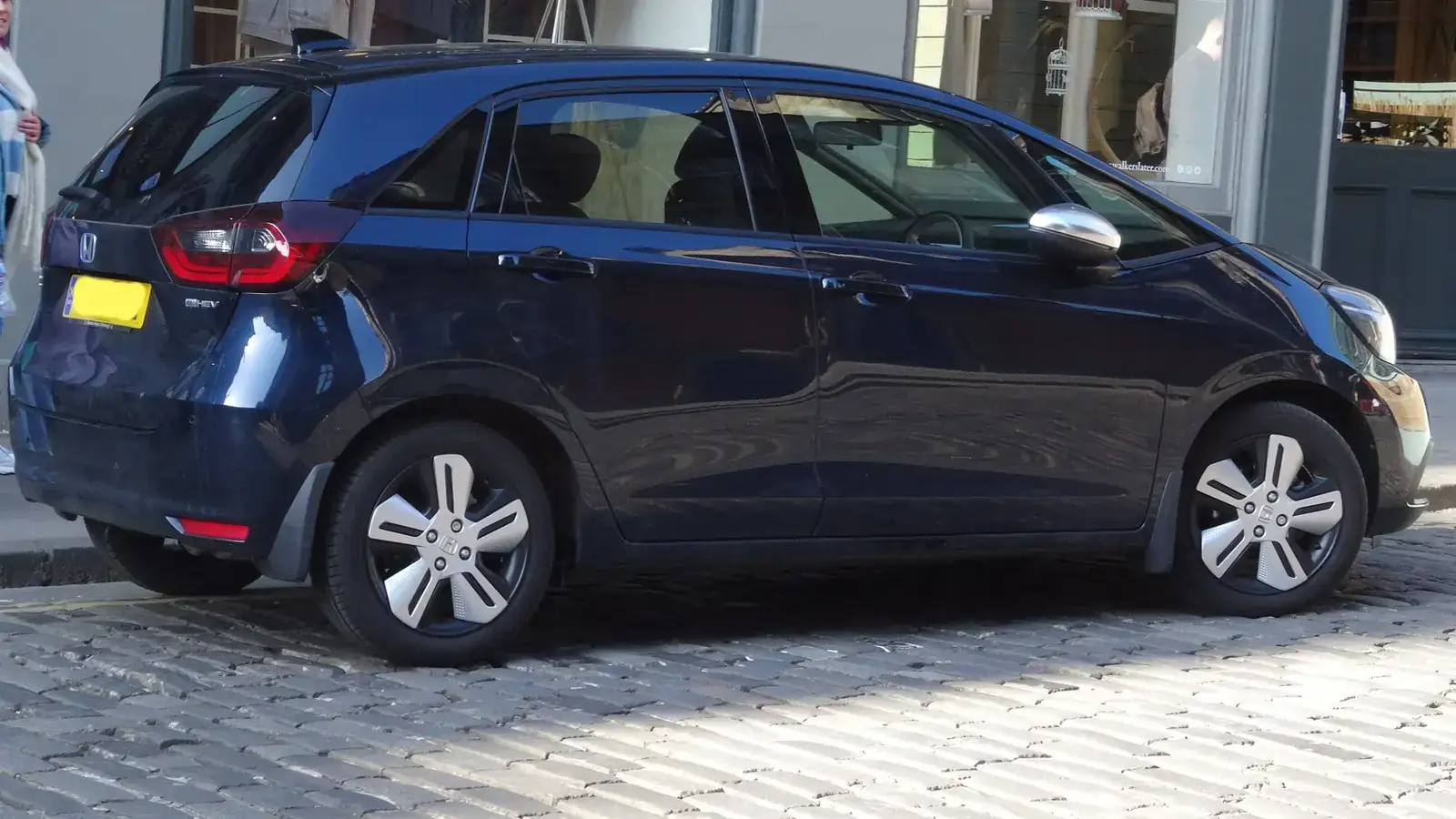
The cheapest way to import a car to Ireland isn’t a loophole — it’s a sequence of legal decisions made in the right order. Get them right and you keep customs duty, VAT and VRT as low as the rules allow. Get one wrong and a “bargain” abroad becomes an expensive surprise at the Irish port.
The short version
- Buy a car that qualifies for 0% duty — and insist on the origin document that proves it.
- Match the source country to the car: Japan for hybrids, the UK for UK-built models.
- Hit the 3–8 year / average-mileage sweet spot to keep OMSP and VRT moderate.
- Use the legal reliefs (EV relief, the 30-year rule, Transfer of Residence) where you qualify.
The one rule that controls the price
Your import bill is built from three stacked taxes — customs duty, then VAT, then VRT — and each is calculated on the total of the one before it. That means a single saved charge (like avoiding 10% duty) also reduces the VAT charged on top. Every step below is about shrinking one of those three numbers legally. If you want the full mechanics first, read how much it costs to import a car to Ireland.
1. Pick a 0%-duty car — and prove origin
The biggest avoidable cost is paying 10% duty on a car that actually qualifies for 0%. Two origins qualify: Japanese-built (EU–Japan EPA, since February 2026) and UK-built (EU–UK TCA). Both need a valid Statement of Origin from the seller. On a €20,000 landed value, that document is worth €2,000 in duty — plus the knock-on VAT saving, because VAT is charged on the duty too.
Get it in writing — before you buy
Without documentary proof of origin, Revenue defaults to 10%. A Toyota built in Japan but bought in Britain still needs that paperwork. Confirm it in writing before paying a deposit, not after the car has shipped.
2. Choose the cheapest source country
Since both Japanese- and UK-built cars now enter at 0% duty, the choice comes down to the car and the logistics:
- Japan — unbeatable for low-mileage hybrids and kei cars at auction prices. Shipping is €1,000–2,000 and 6–10 weeks.
- United Kingdom — best when you want a UK-built model (MINI, Sunderland-built Nissan, Burnaston Corolla); ferry shipping is cheap and takes days, not weeks.
- Northern Ireland — a genuinely NI-owned used car can often come south with no duty and no VAT, because NI is treated as EU territory. Revenue scrutinises this, so the ownership must be real.
Avoid EU-built cars bought in Great Britain — they pay the full 10%. See the full Japan vs UK comparison →
3. Hit the age & mileage sweet spot
A 3–8 year-old car with average mileage is the value zone. It has shed the worst first-owner depreciation (lower OMSP, lower VRT), it’s clear of the 6-month / 6,000 km “new means of transport” VAT trap on EU/NI cars, and cars from ~2019 onward carry genuine WLTP CO₂ data — avoiding the NEDC-conversion penalty that can push an older car up a VRT band.
Don’t chase ultra-low mileage to look like a bargain — Revenue assigns a higher OMSP (and more VRT) to a low-mileage car. The cheapest real-world buy is average mileage with documented good condition.
4. Keep VRT low with CO₂ and NOx
VRT is your biggest controllable cost — 7% to 41% of OMSP set by CO₂. Staying under roughly 110 g/km keeps you in the 7–13% range. Favour petrol or hybrid over diesel: diesels carry a NOx levy capped at €4,850 (versus €600 for petrol), and an old diesel with no documented NOx figure is assessed at the highest assumed rate — a common, expensive surprise. The full breakdown is in VRT explained.
5. Use the legal reliefs
These are legitimate reliefs, used as intended — not grey-area tactics:
- Battery EV relief (before 31 Dec 2026) — up to €5,000 off VRT, the lowest 7% band, and zero NOx. A closing window.
- The 30-year classic rule — a car over 30 years old at registration pays a flat €200 VRT instead of an emissions percentage.
- Transfer of Residence relief — moving to Ireland? A car you owned and used abroad for 6+ months can come in free of VRT, VAT and duty (it can’t be sold for 12 months after).
- Appeal the OMSP — if Revenue’s valuation is higher than the car’s genuine Irish market value, you can appeal it with evidence and reduce the VRT directly.
A word of caution
Avoid under-declaring price, mislabelling a passenger car as commercial, false origin statements, or staged NI “ownership”. Revenue cross-checks invoices, VINs and shipping records — penalties and seizure outweigh any saving. Every relief above is legal when it genuinely applies.
DIY vs using an importer
Doing it yourself saves a service fee but exposes you to exactly the mistakes that make imports expensive — paying 10% duty for want of one document, mis-judging the VRT band, or buying a car that fails the Irish NCT. A good importer prices the full landed cost up front and handles customs, VRT and registration, which usually protects more than it costs. Either way, the golden rule holds: model the full landed cost before you bid. Start with our import cost calculator, or see the cheapest cars to import for specific models.
Figures are indicative and for guidance only. Actual VRT is charged on Revenue’s OMSP and varies by model, year and mileage. Always confirm current rates and your specific case with Revenue.ie before committing to a purchase.