
Britain is the easiest country in the world to research a used car in, one of the easiest to export from, and one of the deepest right-hand-drive markets for Japanese cars outside Japan. It also contains a trap that costs careless buyers roughly a tenth of the vehicle’s value: the difference between a car bought in the UK and a car built in the UK. Here is the process in order, and where that distinction bites.
The short version
- No residency requirement — anyone can buy a UK car for export.
- Britain publishes every MOT test and mileage reading for every car. Use all of it.
- Customs preference depends on where the car was manufactured, not where you bought it.
- Freight to Ireland and Europe is days, not weeks — the fastest source in our network.
Why buy in the UK at all
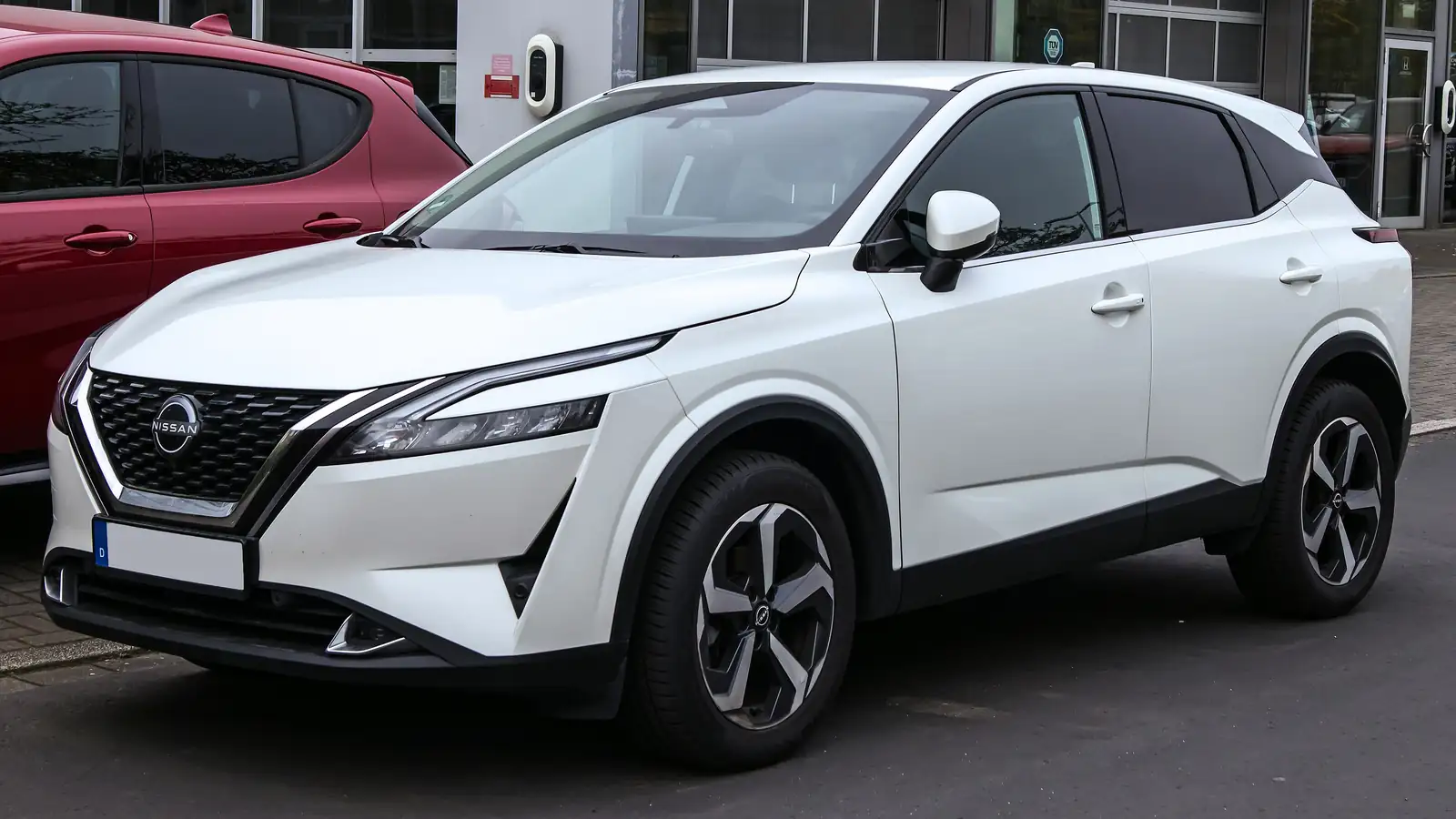
Three reasons, and they are quite different from each other. First, record-keeping: no other market lets you reconstruct a used car’s life this thoroughly before you commit. Second, what Britain actually builds — the Toyota Corolla at Burnaston and the Nissan Qashqai, Juke and Leaf at Sunderland, which can carry UK origin for tariff purposes. Third, market depth: Toyota, Lexus, Nissan, Honda and Mazda sell in such numbers that you can hold out for an exact specification rather than accept the near-miss.
The fourth reason applies only if you are in Ireland or mainland Europe: the crossing is measured in hours. For those buyers the UK is usually the cheapest source we operate.
Where the stock actually is
- Trade auctions. Where the volume and the value sit — fleet and lease returns, part-exchanges, ex-rental. Trade access only, fast, and unsentimental. Condition varies widely, which is what the inspection is for.
- Main dealers and approved-used programmes. More expensive, better prepared, with full service histories and often remaining manufacturer warranty. The sensible route for a nearly new Lexus or Toyota hybrid.
- Independent specialists. The best place to find a well-kept example of something specific — a Civic Type R, a particular MX-5 generation, a Lexus in an unusual colour.
- Private vendors. Cheapest headline prices, most variable provenance, and no recourse. Viable with a proper inspection and provenance check; unwise without.
Verifying the car before you commit
This is Britain’s superpower and it costs almost nothing to use. In order:
- Read the full MOT history. Every annual test, with the result, the recorded mileage and every advisory. Read in sequence it is close to a biography of the car.
- Plot the mileage. Genuine cars produce a broadly rising line. A step backwards or an implausibly flat stretch is a hard stop, not a negotiating point.
- Run a provenance check. Outstanding finance, insurance write-off markers, theft markers, plate changes and previous keeper count.
- Audit the service book against the MOT mileage timeline. The two should agree.
- Inspect it physically. Everything above tells you about the paperwork. Only a person standing next to the car tells you about the car.
Each of these is broken down in UK car history checks explained.
The origin rule that decides your duty
Here is the trap. Customs preference in most trade arrangements attaches to where a vehicle was manufactured, not where it was sold. A Burnaston-built Toyota Corolla may qualify for preferential treatment in markets that grant it to UK-origin goods. A Japan-built RAV4 bought in London is a Japan-origin car, and a Yaris built in France is an EU-origin one — neither is British for customs, however long it lived there.
Preference without paperwork is worthless
Even a genuinely British-built car cannot claim preference without a valid statement of origin in the file. The entitlement exists but is unprovable, and customs will assess full duty. This is the single most expensive documentary omission in UK exporting.
So establish build origin before you shortlist, not after you buy. Which cars are actually made in Britain is covered in the best cars to import from the UK.
Exporting it: notification and paperwork
Four steps, none of them difficult and all of them unforgiving:
- Notify permanent export. The registration document carries a section for this. Completing it removes the car from UK registration, which matters both for the seller’s liability and for clean registration at your end.
- Lodge the customs export declaration. Done by the exporter of record. Errors here surface as a hold at your destination port, where delay costs money daily.
- Establish the VAT position. Some export sales can be zero-rated where the correct evidence of export is held; a private-sale car carries no recoverable VAT at all. Get it in writing before purchase, not after.
- Obtain proof of origin where your destination grants preference to UK-built vehicles.
The full file is in UK car export documents explained.
Shipping and clearance
For Ireland, roll-on ferry crossings run daily and the paperwork is the constraint rather than the sailing. For mainland Europe, short-sea routes are similarly quick. Beyond Europe, container or RoRo sails from Southampton or Tilbury, and the sailing frequency for your route matters more than the port name.
Marine insurance should cover the vehicle door to port at replacement value throughout. At the far end, clearance and registration follow your country’s process — and the smoother that goes, the more it reflects work done before the car ever sailed.
For what all of it adds up to, see what it costs to import a car from the UK, or start with the stock our UK office is buying.
VAT treatment, export notification procedure and origin-preference rules change and depend on the specific transaction and destination. Confirm the current position with the relevant authorities before committing — we establish it in writing per shipment as part of every quote.