
India’s cheapest cars are not automatically its best exports. The models worth shipping are the ones where three things agree: the price advantage is widest, the engineering suits your roads, and somebody near you can get parts for it. That last condition eliminates more candidates than the first two combined.
The short version
- Widest price gap: the sub-four-metre hatchbacks and compact SUVs.
- Toughest: Mahindra Thar and Scorpio, India-built Fortuner and Innova.
- The deciding factor: parts availability in your market, not the sticker price.
- India-built models are supported across Africa, South Asia and the Middle East.
What makes a good India export
Three filters, and the order matters. Price gap first: models engineered specifically to India’s tax envelope carry the widest advantage, because the saving was designed in rather than discounted. Durability second: Indian road conditions are demanding, so the domestic-market engineering brief already accounts for a lot of what African, South Asian and Latin American buyers need.
Parts availability third — and it is the veto. A car nobody local can service is not a bargain at any price. India-built models have an aftermarket that reaches across Africa, South Asia and the Middle East, and that network is a genuine part of the value proposition.
The sub-four-metre hatchbacks
India taxes cars by size and engine capacity, so manufacturers engineer entire model families to stay under four metres with small engines. The constraint disciplines everything — less material, tighter packaging, efficient drivetrains — and the saving is baked in before the first panel is pressed.
- Suzuki Swift. The global small car, built in India at India’s cost base. Parts and specialist knowledge exist essentially everywhere, which makes it the safest first import for most buyers.
- Suzuki Baleno. Larger inside than the Swift, similar running costs, and exported widely, so support is broad.
- Hyundai Grand i10 and Tata Tiago. Well-equipped for the money and cheap to run. Check local Hyundai and Tata support before committing.
- Honda Amaze and Honda City. Compact saloons, which several markets prefer to a hatchback, with Honda’s service network behind them.
Compact SUVs
The fastest-growing segment in India and the one where most of our dealer volume sits, because the price gap is wide and demand is universal.
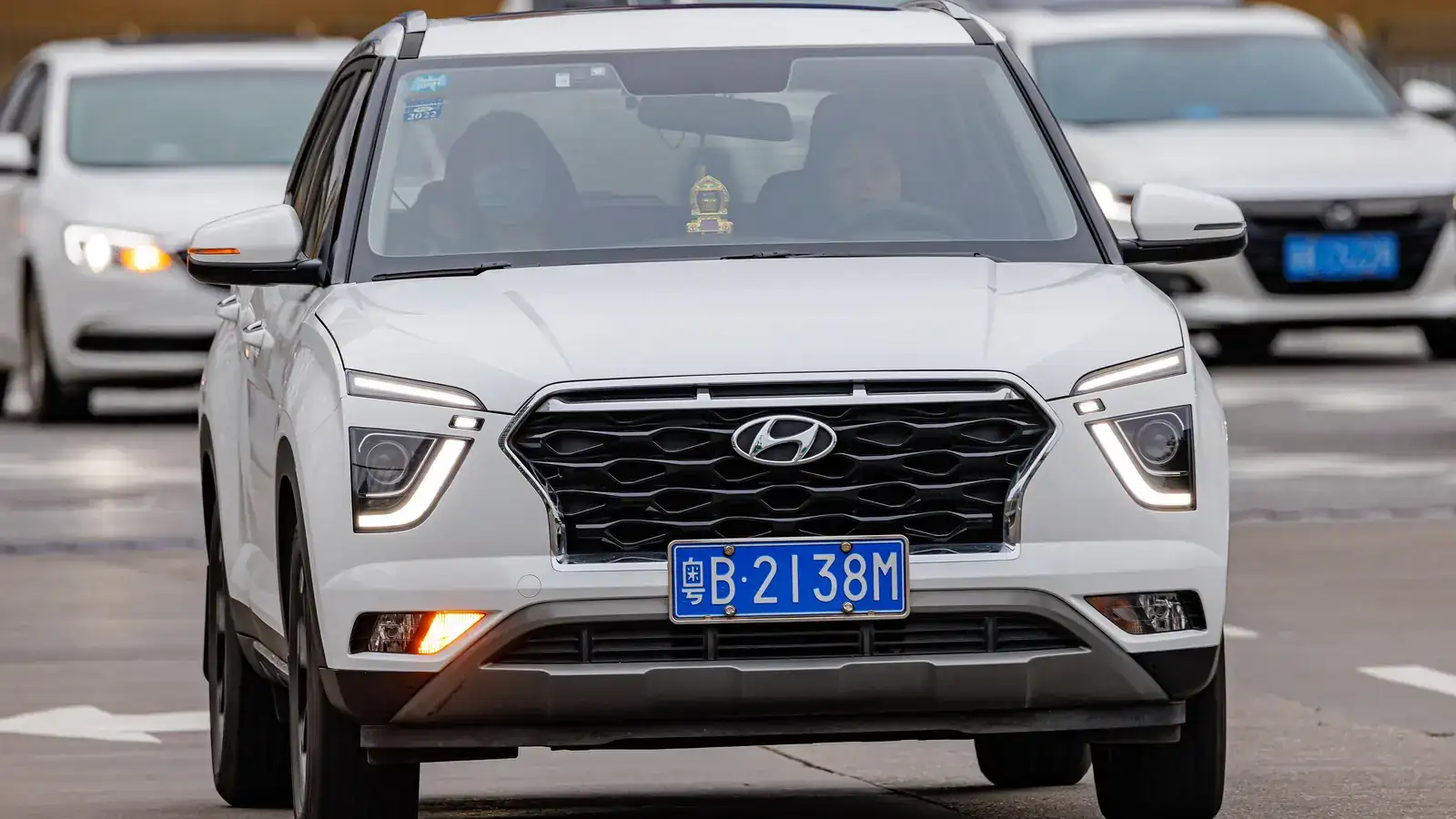
- Hyundai Creta. India’s best-selling SUV, built at scale, well equipped, and priced in a way that makes European equivalents look eccentric.
- Kia Seltos. The Creta’s sibling with a different character and specification. Frequently the better-value of the two depending on trim.
- Tata Nexon. Five-star crash-rated under Bharat NCAP and consistently the strongest safety argument in the segment — useful when the question “is it safe?” comes up, as it should.
- Nissan Magnite. The clearest expression of the sub-four-metre philosophy in SUV form. Very cheap, genuinely well packaged.
The genuinely tough ones
India builds vehicles for roads that punish equipment, and the engineering reflects it rather than pretending otherwise.
- Mahindra Thar. A purpose-built off-roader with a ladder frame and low-range transfer case. Not a soft crossover pretending to be capable — and priced far below anything comparable.
- Mahindra Scorpio and Scorpio-N. Body-on-frame, seven-seat, and proven across African and South Asian markets over many years.
- Toyota Fortuner (India-built). The same ladder-frame Fortuner sold across Asia and Africa, produced in India for export. Toyota reliability with an Indian cost base.
- Mahindra XUV700. More road-biased, considerably more equipment, and startling value against European alternatives.
Seven-seaters and people carriers
Under-appreciated outside India and frequently the strongest commercial case. The Toyota Innova is one of the most durable people carriers in wide circulation and the default private-hire vehicle across much of South and South-East Asia — high mileage, easy servicing, strong resale. The Maruti Suzuki Ertiga does a similar job smaller and cheaper.
For fleet and hire operators
If the vehicle has to earn money, the Innova is usually the answer. It is engineered for exactly that duty cycle, and its parts network across Asia and Africa means downtime is measured in hours rather than weeks.
Why parts availability decides it
This is the most important section and the one buyers skip. Total cost of ownership over five years is dominated by servicing and repair, not purchase price. A car that saved you 30% at the point of sale and then waits three weeks for a wheel bearing has cost you more, not less.
Before committing, establish three things about your own market:
- Is the badge represented locally? Suzuki, Toyota, Hyundai and Honda almost always are. Tata and Mahindra are strong in some markets and absent in others.
- Is this specific model already on your roads? An existing population means an existing parts supply and mechanics who have seen one.
- Does the engine or drivetrain differ from the local version? Same badge, different powertrain, entirely different parts problem.
We check all three before recommending a model, and we will tell you when a cheaper car is the worse decision. For what each candidate costs to land, see the cost breakdown, or see what our India team is sourcing now.
Model availability, specification and safety ratings change by model year, and left-hand-drive export variants are not offered on every model. Local parts support varies significantly by market. Confirm availability, specification and local support for your destination before committing to a purchase.