
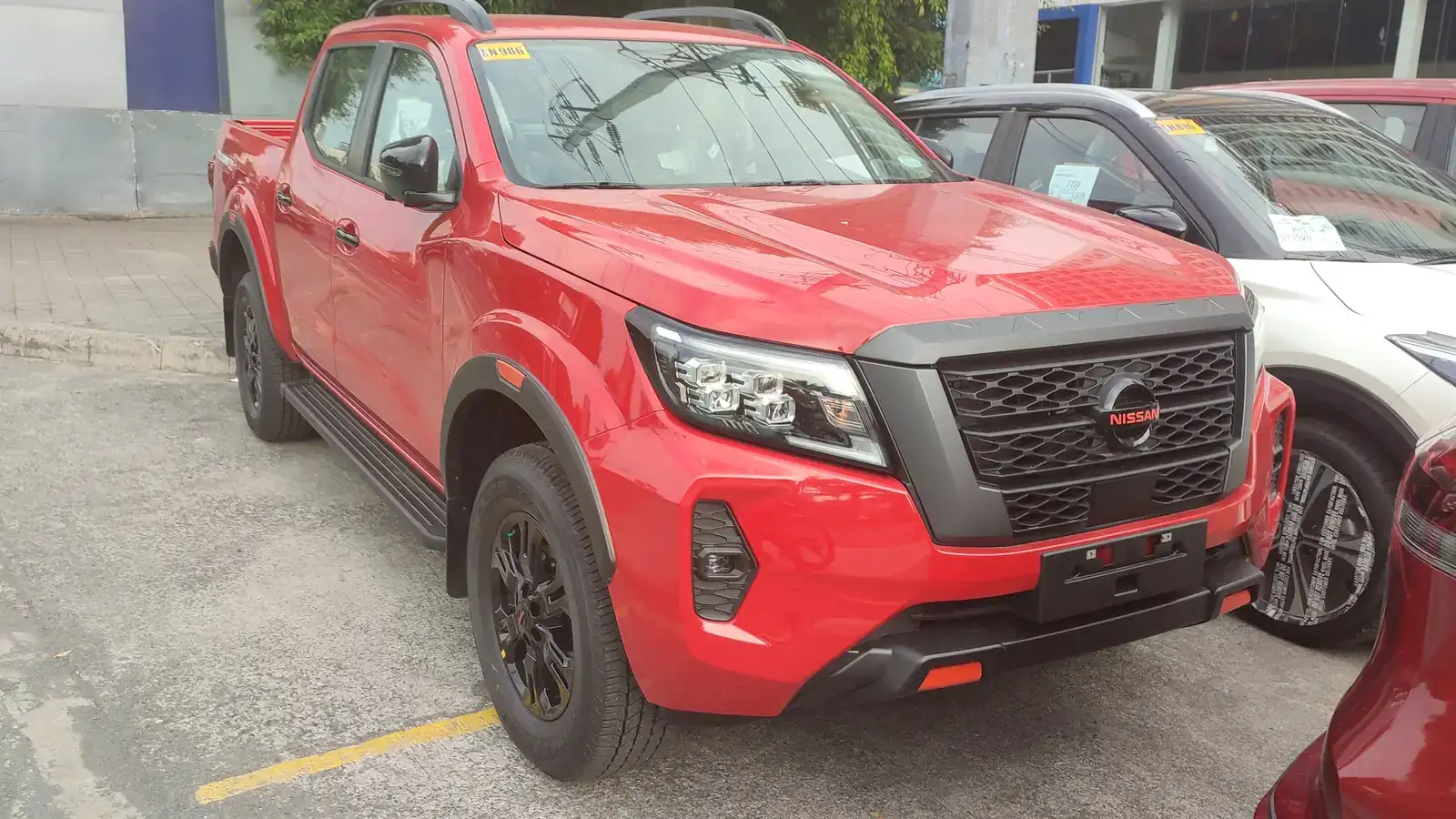
Six pickups dominate Thai production, four SUVs are built on their bones, and the differences between them matter more than the badges suggest. This is an honest comparison of which suits which job — not a ranking, because a mining fleet and a family buying a weekend tow vehicle should not choose the same truck.
The short version
- Hilux and D-Max have the strongest fleet reputations and the widest parts networks.
- Ranger is the most capable and best equipped, and the most complex.
- Triton and BT-50 are the value plays.
- The SUV versions share frames and drivetrains — durability with seven seats, minus the payload.
How to choose between them
Start with the duty cycle, not the specification sheet. Four questions settle most decisions:
- Will it actually work? A vehicle carrying loads daily on poor surfaces wants different things from one that mostly commutes.
- Who will service it? Parts network depth in your market decides more of your five-year cost than the purchase price does.
- How is it taxed where you are? Engine capacity and commercial classification can move the landed figure more than trim choice.
- How much complexity do you want? More electronics means more capability and more to go wrong a long way from a dealer.
Toyota Hilux Revo
The default answer, and defaults become defaults for reasons. The Hilux has the broadest parts network of any vehicle in this article — there are very few places on earth where a Hilux part is genuinely hard to find — and a reputation for surviving neglect that fleets and aid organisations have relied on for decades.
It is not the most capable or the best equipped. Higher-trim Rangers out-specify it comfortably and ride better. What the Hilux offers instead is the highest probability that the vehicle is working in five years, and the strongest resale in almost every market. For a working vehicle far from a dealer network, that is usually the right trade.
Ford Ranger
The most car-like to drive, the best equipped in higher trims, and the most capable in Raptor and Wildtrak form. If the vehicle is a family vehicle as much as a work vehicle, the Ranger is the one people actually enjoy.
The complexity trade-off
More electronics, more driver assistance and more sophisticated suspension mean more capability and more that requires a diagnostic tool to fix. In markets with a strong Ford network that is a non-issue. Where the network is thin, it is worth weighing against a simpler truck.
Isuzu D-Max and Mazda BT-50
The D-Max is the fleet operator’s quiet favourite: mechanically straightforward, economical, and built around a diesel engine with a strong reputation for durability. It out-lasts its reputation, largely because it has never been marketed as hard as the Hilux.
The Mazda BT-50 shares its underpinnings with the D-Max, which makes it an interesting arbitrage: the same mechanical package with different styling and equipment, often at a different price. Where both are supported locally, compare them on total landed cost rather than assuming the badges mean different things underneath.
Mitsubishi Triton
The value play. Consistently priced below the Hilux and Ranger for comparable capability, well equipped for the money, and supported across most markets that take Thai pickups. It gives away some payload and some outright toughness against the class leaders, and for many buyers that is a trade worth making.
Worth checking one thing specifically: Mitsubishi’s network strength varies more between markets than Toyota’s or Isuzu’s. Where it is strong, the Triton is often the smartest buy in the segment.
The SUVs built on the same frames
| SUV | Shares its bones with | Best for |
|---|---|---|
| Toyota Fortuner | Hilux | The default seven-seat ladder-frame SUV. Best parts network of the four. |
| Mitsubishi Pajero Sport | Triton | Better value and better on-road manners than its capability suggests. |
| Isuzu MU-X | D-Max | The economical choice. Simple, durable, strong on fuel. |
| Ford Everest | Ranger | The most refined and best equipped. Also the most complex. |
All four inherit the durability and parts supply of their pickup siblings, plus seven seats and a covered load area — and lose payload capacity in exchange.
These are genuinely tough vehicles rather than crossovers with cladding, which is the point of buying one from Thailand rather than a monocoque SUV from anywhere else.
The new arrival: Thai-assembled EVs
BYD, MG, GWM and Neta have all established assembly capacity in Thailand, which makes it the leading right-hand-drive source for affordable Chinese-brand electric vehicles outside China itself. For markets building out electrification with limited budgets, that is a genuinely new option.
Three things to settle before buying one, all of which vary more than the vehicles do:
- Charging standard compatibility with your local network.
- Warranty coverage — particularly on the battery, and whether it transfers across borders at all.
- Homologation and type approval in your market, which for newer Chinese brands is not always established.
We check all three before purchase. For how Thailand compares with the used route, see Thailand vs Japan for pickup imports, and for the numbers, what it costs.
Model availability, specification and local network strength vary by market and model year. Charging standards, warranty terms and homologation status for newer EV brands change frequently. Confirm the position for your specific vehicle and destination before committing.