
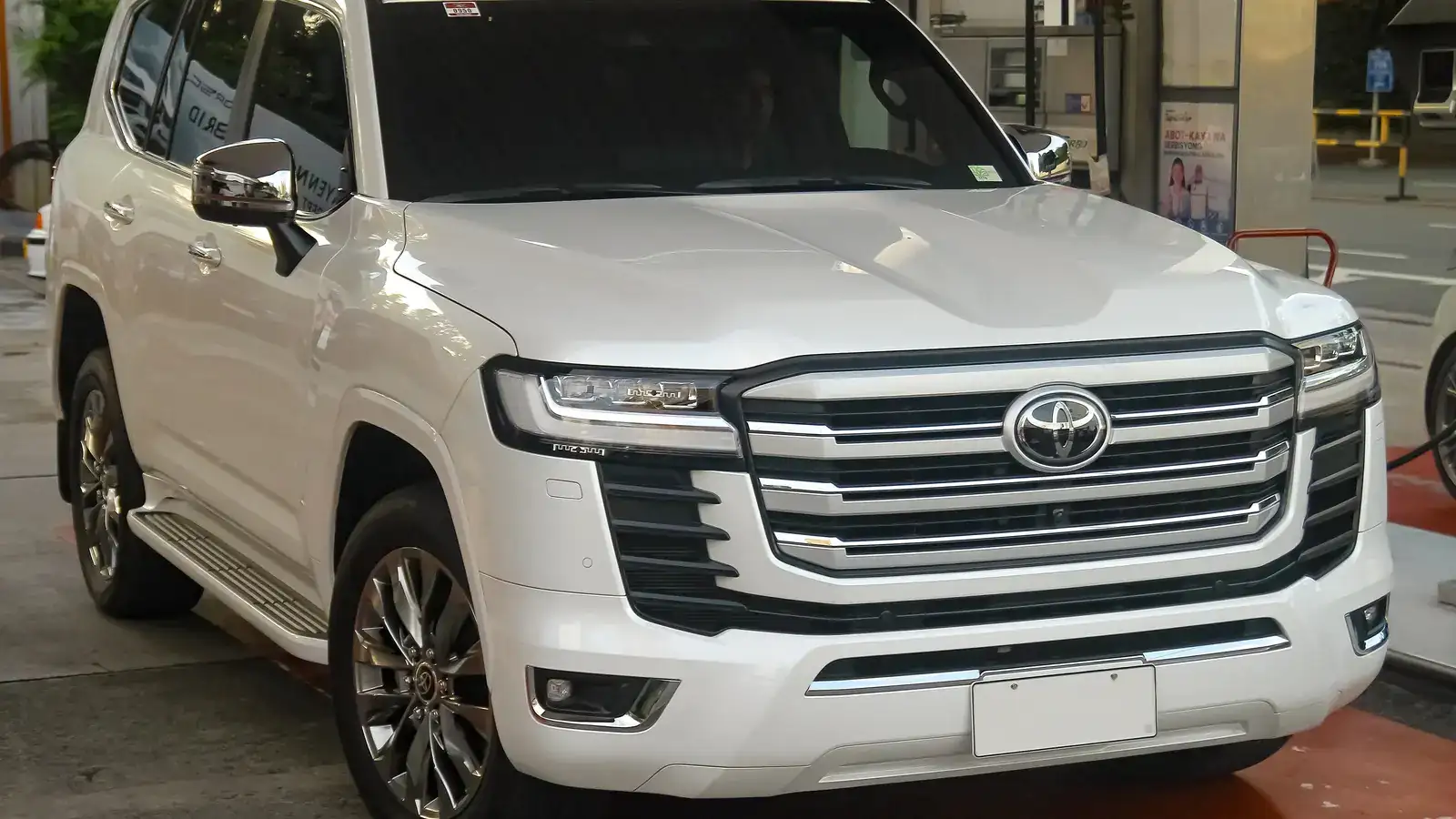
Japan runs the largest and most transparent used-vehicle auction network on earth — well over a hundred thousand independently graded cars every week. It is also completely closed to the public. You cannot walk in, you cannot register online from abroad, and you cannot bid on your own behalf. Here is how the system actually works, what a buying agent does on the floor, and the seven steps between choosing a car and watching it load.
The short version
- Japanese auctions are trade-only. Overseas buyers always bid through a licensed member.
- Every car carries an independent inspector’s grade sheet issued by the auction house, not the seller.
- You set a maximum bid, not a purchase price. Losing an auction should cost you nothing.
- The hammer price is roughly half the landed cost — fees, freight and destination taxes make up the rest.
Who is actually allowed to bid
Japan’s major used-vehicle auctions are trade exchanges. Bidding requires membership, membership requires a registered Japanese business with a dealer licence, a security deposit and a trading record, and the auction houses have no mechanism for admitting private individuals — domestic or foreign.
That is not a loophole waiting to be found; it is the design. It also means every legitimate Japanese import involves a licensed member somewhere in the chain. The only real question is how close that member is to you — whether they are your agent, working to your brief, or an exporter selling you their own stock at their own margin.
Why we put staff in Japan
Our Japan team holds auction access directly and bids to your instructions. Nobody in the chain is marking the car up before you see the price, and the person reading the sheet is reading it in Japanese rather than through a translation of a translation.
How the auction network works
There is no single Japanese car auction. There are dozens of houses running weekly sales across the country, linked into a national electronic system. A member in Tokyo can bid on a car sitting in Fukuoka without either party moving. That is why the effective inventory is national rather than local, and why a specific model, grade and colour combination can usually be found somewhere within a few auction cycles.
Each lot arrives with three things:
- An inspection sheet. Written by an inspector employed by the auction house, carrying an overall grade, an interior grade and a diagram marking every scratch, dent and repair.
- A verified odometer reading. Cross-referenced against the car’s inspection history, with any inconsistency flagged on the sheet itself.
- A start price and a reserve. Bidding is fast — often seconds per lot — which is why the decision has to be made before the car crosses the block, not during.
The grading is the part that makes the whole system work. Learning to read a sheet yourself is the single highest-value skill in this process, and we walk through it line by line in Japanese auction grades explained.
The seven steps, start to finish
- Brief. Model, minimum grade, mileage ceiling, colour, budget and destination. Destination matters at this stage, not later — it determines age limits, emissions rules and mandatory inspections.
- Shortlist. We search the week’s catalogues and send you the cars that match, each with its original sheet and a full English translation.
- Landed quote. For the cars you like, you get an all-in figure at a stated maximum bid: car, auction fees, inland transport, freight, insurance, duty and destination taxes.
- Bid. We bid up to your maximum and no further. If the car goes above it, we move to the next one.
- Inspect. The won car goes to our compound for a physical multi-point inspection, photographed in daylight. If it does not match its grade, it does not ship.
- Clear for export. Deregistration, export certificate with certified mileage, any pre-shipment inspection your country mandates, and the biosecurity clean where required.
- Load and track. RoRo or container from Yokohama, Nagoya, Osaka, Kobe or Hakata, under marine insurance, with vessel tracking to your port.
How bidding and limits work
You are not buying a car at a price. You are authorising a maximum bid on a specific lot. The car may sell below your ceiling, in which case you pay less, or above it, in which case you buy nothing. Both outcomes are normal and both should be free of surprises.
The discipline that matters here is setting the ceiling from the landed figure rather than the hammer price. A car that looks cheap at auction and expensive at your port has not saved you anything, and it is remarkably easy to talk yourself up two thousand pounds in the excitement of a live sale. Deciding the number in advance, in landed terms, is what keeps the exercise rational.
A losing bid should cost you nothing
Be explicit about this before you start. With us, an unsuccessful bid carries no fee — you are quoted per vehicle, and if we do not win it you owe nothing. Any arrangement where losing costs money deserves a hard look at why.
What sits on top of the hammer price
The hammer price is the beginning of the bill, not the end of it. In rough order:
- Auction fees charged by the house on every successful purchase.
- Agent or buying fee — ours is stated up front as a figure, not hidden inside a marked-up car price.
- Inland transport from the auction compound to the port, which varies with distance.
- Ocean freight and marine insurance, priced by route and by whether the car travels RoRo or in a container.
- Destination duty, consumption tax and registration — usually the largest single block, and entirely dependent on your country.
The full breakdown, with a worked example, is in what it really costs to import a car from Japan.
The four mistakes that cost real money
- Bidding on the photographs. Auction photographs are taken quickly, in poor light, to a formula. The sheet tells you the condition; the photographs tell you the colour.
- Ignoring the destination rules until after the win. A car that misses your country’s age limit by two months, or that needed a pre-shipment inspection nobody arranged, is an expensive problem with no clean fix.
- Chasing Grade 5 when Grade 4 is plenty. The premium between grades is real and the visible difference is often marginal on a car that is going to be driven.
- Choosing an exporter on the cheapest quote. The cheapest quote is usually the one with the most omitted from it. Ask what is not included, in writing.
If you would rather start from the cars than the process, our Japan sourcing page lists what our team buys most, and the best cars to import from Japan goes through the models category by category.
Auction procedures, fee structures and destination import rules change, and requirements differ by auction house and by country. Confirm current eligibility, age limits and inspection requirements for your destination before committing to a purchase — we verify them per shipment as part of every quote.