
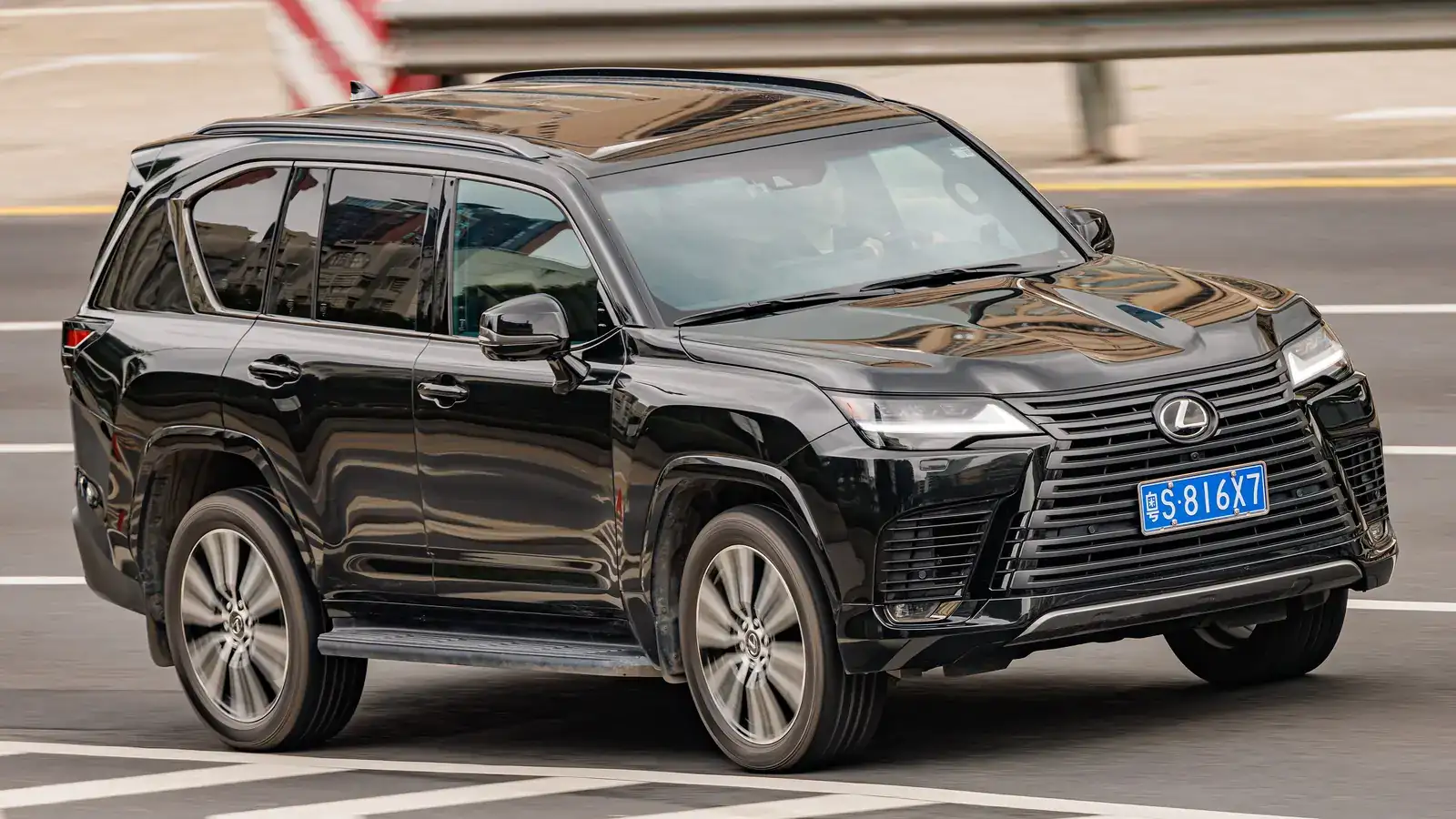
Dubai is close to unbeatable at one thing and a poor choice at several others. Knowing which is which is the entire skill of buying here. The market runs deep in Japanese 4x4s — Land Cruisers, Lexus, Patrols — one to three years old, left-hand drive and high-specification, and if that describes what you want, nowhere else comes close.
The short version
- The core strength: nearly new Toyota, Lexus and Nissan 4x4s in genuine choice of specification.
- The practical strength: the workhorses — 70 Series, Hilux, Prado, Pajero — with fleet maintenance records.
- The structural strength: the world’s deepest pool of nearly new left-hand-drive Japanese stock.
- Leave behind: right-hand drive, and anything headed for an emissions-strict market.
What the UAE wins on
Three things, all downstream of the same fact: cars here are replaced rather than worn out. High incomes, no purchase tax and short ownership cycles produce used stock that is younger, better equipped and lower-mileage than almost any other market’s.
So the UAE wins on age — two-year-old cars in volume; specification — the region orders high trims, so choice is real; and segment — large Japanese 4x4s in numbers that distort the whole model range.
The Japanese flagships
This is the heart of the market and the reason most buyers come here.
- Toyota Land Cruiser 300. Built for heat and dust, left-hand drive, and available far younger here than at Japanese auction.
- Lexus LX 600. Land Cruiser engineering with a better cabin. Heavy-duty GCC cooling as standard, which travels well to hot destinations.
- Lexus GX. Smaller than the LX, body-on-frame, and now in a new generation — the GX 550 — alongside plenty of the previous model.
- Nissan Patrol. The regional alternative to the Land Cruiser, frequently better equipped for the money and abundant in the used market.
- Infiniti QX80. Nissan’s luxury take on the Patrol platform, usually cheaper than an LX of the same age.
The workhorses
Less headline-grabbing and often better value. The Gulf’s fleet, contractor and government buyers run Japanese 4x4s hard and replace them on schedule, and the maintenance records usually go with the car.
- Toyota Land Cruiser 70 Series. Pickups and wagons, built for exactly the conditions many destination markets have.
- Toyota Hilux and Land Cruiser Prado. Common, easy to service anywhere, and strong on resale.
- Mitsubishi Pajero. The previous generation ended production in 2021 and is plentiful used — a proven Gulf workhorse.
Fleet history is an asset
A fleet vehicle serviced to a contract schedule is often a safer buy than a private car with a thin record. We ask for the maintenance log and check it against the odometer before recommending one.
Lexus saloons and Japanese performance cars
The Lexus LS and ES circulate in full-option Gulf trim at two to three years old, and because the region buys high trims, a used car frequently carries equipment that would be a costly extra elsewhere. The Nissan GT-R and the Lexus LC turn up too, usually with main-dealer servicing — ship those in a container, not on a RoRo deck.
Left-hand drive at scale
Worth stating separately because it is a structural advantage rather than a preference. For markets across Africa, the CIS, Central Asia, the wider Middle East and Latin America, the UAE is simply the largest accessible pool of nearly new left-hand-drive Japanese 4x4s in the world.
Japan supplies genuine factory LHD in premium segments and is worth comparing — see our left-hand-drive Japanese luxury page — but on volume and on age, the UAE is the deeper market.
What to leave in Dubai
- Right-hand-drive cars. The market is LHD, so RHD stock is thin, and thin stock means no negotiating position. Buy RHD from Japan, the UK or Thailand instead.
- Anything headed for an emissions-strict registration. GCC specification can make European homologation expensive or impossible. Model-specific, year-specific, and checkable — see the detail here.
- Cheap cars with no documented history. The export yards are full of them. In a market where flood and accident screening is the main job, a car with nothing to verify is unpriced risk, not a bargain.
- Ordinary small cars. The UAE has no cost advantage here. Japan and India both do it better and cheaper.
For the numbers, see what it costs to import a car from the UAE, or see what our UAE team is buying now.
Market availability and pricing change continuously, and homologation eligibility for GCC-specification vehicles is model- and year-specific. Confirm the position for your specific vehicle and destination before committing to a purchase.