
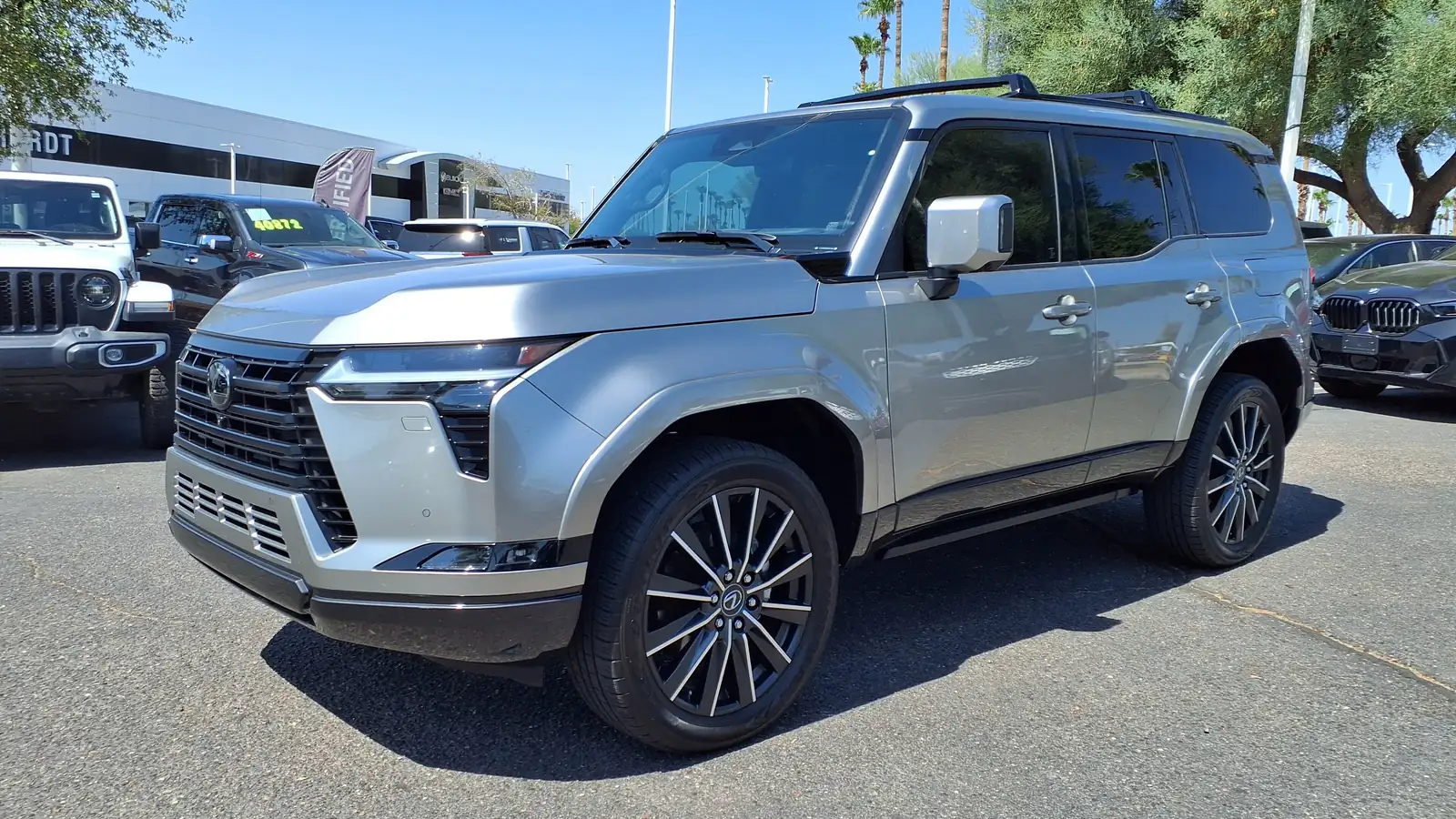
UAE imports have a different cost shape from everything else in our network, and the reason is that the cars are worth more. When the vehicle is a two-year-old Land Cruiser or Lexus rather than a ten-year-old hatchback, the percentage-based lines — duty, tax, insurance — get much larger, and freight gets relatively smaller. That changes which decisions actually matter.
The short version
- Freight from Jebel Ali is short and cheap to South Asia and East Africa.
- Destination duty is usually the biggest line, because it scales with a high vehicle value.
- More UAE cars ship in containers, which costs more and is usually correct.
- Compare quotes on what they include, not on the headline number.
How the total is built
Four blocks, as everywhere — but the proportions are unusual:
- The car. Higher than the network average, which drags every percentage-based line upward with it.
- UAE-side costs. Modest and predictable. The free-zone regime is efficient.
- Freight and insurance. Cheap on short routes, but container shipping and higher insured values push it up.
- Destination duty and tax. Usually dominant, and directly proportional to the value of the car.
Costs inside the UAE
- Purchase price — main-dealer trade-in, auction or specialist retailer.
- History screening — official registration and inspection records checked for accident and damage markers. Small cost, and the single most important spend in a UAE purchase.
- Physical inspection — cooling system, air conditioning, paint-depth readings, underbody water markers and full electronics test.
- Deregistration and export certificate, plus plate cancellation.
- Free-zone customs clearance and the export declaration.
- Inland transport to Jebel Ali. Short — the country is compact.
On tax treatment: vehicles purchased for export through the free-zone regime are handled differently from a domestic retail sale, which is a large part of why Dubai works as a re-export hub. The exact position depends on the seller and the transaction structure, and it is stated explicitly in the quote rather than assumed.
Container, RoRo or air
RoRo is the cheapest option and perfectly appropriate for an ordinary SUV. The car is driven on and off by port staff and travels on an open deck.
Container costs more and is the right answer for most of what the UAE is good at. A nearly new Land Cruiser, Lexus or GT-R should not be driven by port staff or exposed on a deck, and a container also allows bracing and sealing. Two cars in one container improves the per-unit figure considerably.
Air freight exists and is occasionally justified — a very high-value car on a tight timeline. It is expensive enough that it should be a deliberate decision rather than a default.
Why the cheapest quote is often the wrong one
A RoRo quote for a car that should travel in a container looks cheaper because it excludes the protection the vehicle needs. Ask what shipping method is quoted and what the insured value is. Those two answers explain most price differences between exporters.
Why high value changes the maths
This is the point worth internalising. Duty and consumption tax are normally assessed as percentages of the vehicle’s value — and that assessed value usually includes freight and insurance, not just the purchase price.
So on an expensive car, the destination tax block grows in absolute terms while freight stays roughly flat. A nearly new Land Cruiser from Dubai can attract more duty and tax than the entire purchase price of an older vehicle from Japan. That does not make it a worse decision — you are getting a much better car — but it does mean the comparison has to be made in landed terms.
It also means the choice of car matters more than the negotiation. Moving down one engine size or one trim level can save more in destination tax than any haggling at the point of purchase.
Duty and tax at your end
Depending on your country, expect some combination of:
- Customs duty as a percentage of assessed value, typically including freight and insurance in the base.
- Consumption tax — VAT, GST or equivalent — normally charged on value plus duty.
- Excise or registration tax, often banded by engine capacity or emissions, which is where large-capacity Gulf engines can hurt.
- Homologation or compliance work if GCC specification does not meet your registration requirements — see GCC spec cars explained.
A worked example
Illustrative structure for a nearly new Japanese 4x4, containerised, to a mid-distance destination. Proportions, not a quote:
Nearly new Japanese 4x4 from Dubai, containerised
Illustrative structure — proportions, not a quote
Compare that with the Japanese structure, where the car is a smaller share and freight a larger one. Same exercise, different shape — which is exactly why we compare landed cost across source countries for the same requirement rather than defaulting to one source.
Percentages above are illustrative of structure only and are not a quote. Duty, consumption tax and registration charges depend entirely on your destination and the specific vehicle, and rates change. VAT and free-zone treatment depend on the seller and transaction structure. Confirm current rates with your national customs authority.