
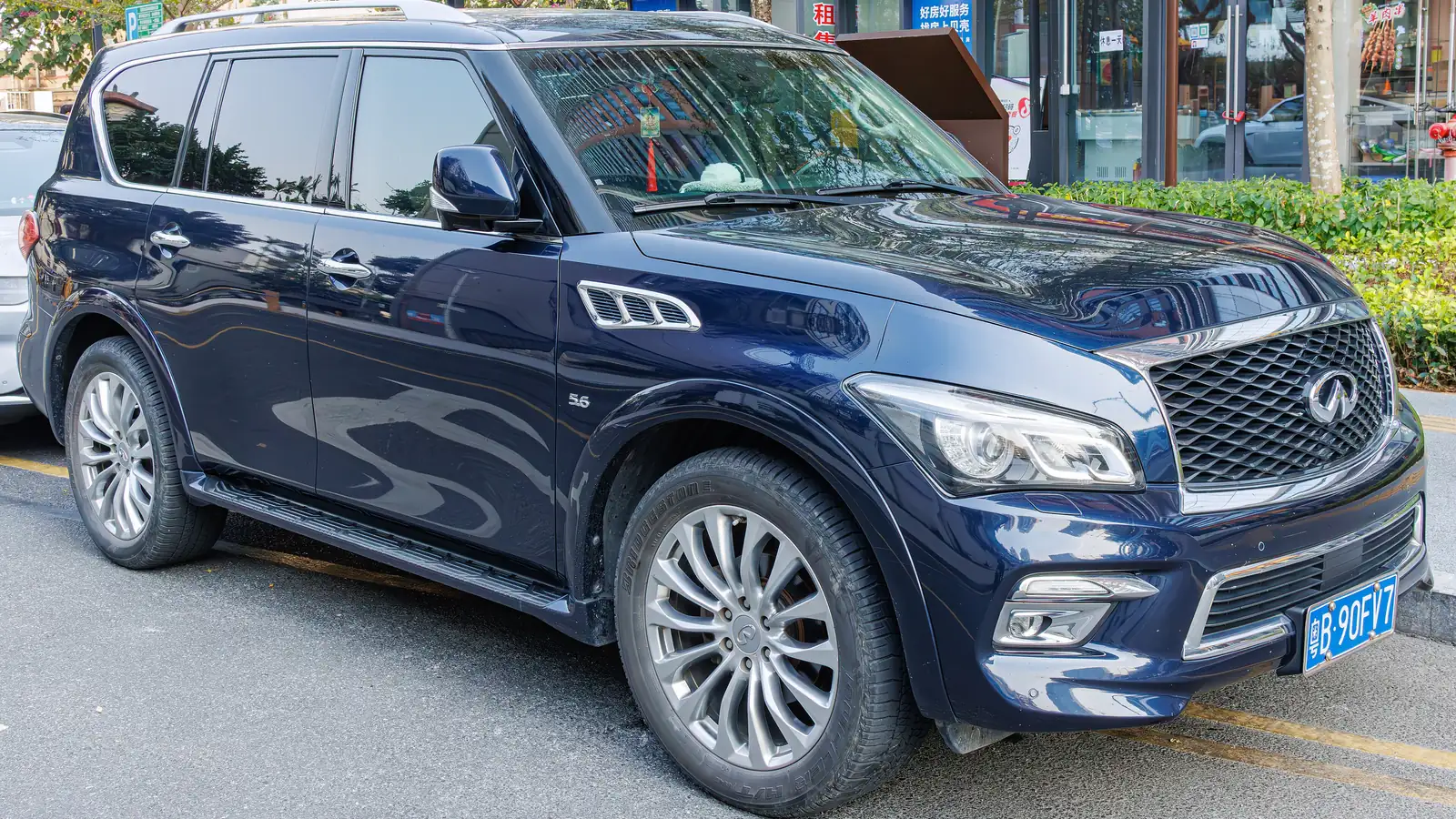
Dubai moves more used vehicles for export than any city on earth. That creates an opportunity and a risk, and — this is the part people miss — both come from exactly the same place. Enormous turnover means extraordinary choice of nearly new, low-mileage, high-specification Japanese 4x4s — Land Cruisers, Lexus, Patrols. It also means damaged stock circulates alongside the good. Here is how to work the market properly.
The short version
- The UAE builds nothing. Its value is youth and depth of stock plus a fast free-zone export route.
- Cars are typically one to three years old with genuinely low mileage.
- Accident and flood screening is the whole job. Treat it as step one, not a formality.
- GCC specification is an advantage in hot markets and a homologation problem in cold or emissions-strict ones.
Why the UAE is a re-export hub
It is a structural outcome, not an accident. High incomes and no vehicle purchase tax mean people buy new and buy often. Short ownership cycles mean cars reach the used market at two or three years old with mileage a European example would show inside six months. The domestic market cannot absorb that volume, so the surplus is exported — and the free-zone customs regime at Jebel Ali exists precisely to move it.
Add a heavy weighting toward large Japanese 4x4s — Toyota, Lexus and Nissan above all — plus left-hand drive, and you get the single largest accessible pool of nearly new LHD Japanese stock in the world.
Where the stock comes from
- Main-dealer trade-ins. The best-documented source. Full service history, single ownership, and the dealer’s own inspection record behind it.
- Dubai export yards. Enormous volume, very competitive pricing, and hugely variable provenance. Workable with rigorous screening and dangerous without it.
- Trade auctions. Fleet disposals, lease returns, bank repossessions. Good value where the history checks out.
- Specialist retailers. The route for rare specifications — a particular Land Cruiser or Lexus trim — where the specification and the service record matter more than the price.
Where we buy, and why
Our UAE team weights heavily toward main-dealer trade-ins and specialists for exactly one reason: those cars come with a documented history to verify. A cheaper car with no history is not cheaper, it is unpriced risk.
Screening: accident and flood history
This is the section that matters. Any market with this much turnover accumulates damaged stock, and the region has seen significant flooding events. Pretending otherwise would not help you. Screening is what makes the market safe to buy in, and it runs in this order:
- Official registration and inspection history. Vehicle history in the Emirates is traceable through official records, which show accident and damage markers against the vehicle.
- Paint-depth readings across every panel. Inconsistent readings mean refinishing, and refinishing means something happened.
- Underbody and interior inspection for water markers. Silt in seat rails and under carpets, corrosion on bare fasteners in a dry climate, waterline staining in the boot well and spare-wheel recess.
- Full electronics test. Water damage surfaces in electrical systems months later. Every module, every function.
- Service-record cross-check. Mileage claims without main-dealer records behind them are not mileage claims.
Anything with an inconsistent history is rejected regardless of how well it presents. A flood car that has been cleaned properly can look immaculate on the day and fail electrically two years later — which is why the history, not the presentation, decides.
The specification question
GCC-specification vehicles are engineered for sustained extreme heat: uprated cooling, higher-capacity air conditioning, heat-resistant interior materials. In a hot destination that is a genuine advantage and exactly what you want.
In a cold or emissions-strict market it can be a problem. Emissions after-treatment, lighting and driver-assistance equipment do not always match European or Japanese specification, and homologation for registration can be expensive or impossible as a result. This is model-specific and it changes by year. The detail is in GCC spec cars explained, and we check the specific vehicle against your destination before purchase — including telling you when the answer is no.
Free-zone export clearance
This is where the UAE is genuinely fast. Vehicles bought for export move through an established free-zone customs regime designed for the purpose. The steps:
- Ownership and encumbrance verification. A car with outstanding finance cannot be deregistered or exported until the lender’s interest is released.
- Deregistration and plate cancellation, which produces the export certificate.
- Chassis and engine verification against the documents.
- Customs clearance through the free zone, and the export declaration.
The full file is set out in UAE car export documents explained.
Shipping from Jebel Ali
Jebel Ali sits at the intersection of three continents, which is the other half of the UAE’s appeal. South Asia and East Africa are short, frequent runs. The CIS, Central Asia, the wider Middle East and the Mediterranean are all well served.
One practical note: because UAE stock tends to be newer and more valuable than the network average, more of it travels in containers rather than RoRo, and carries higher insurance. Both are correct decisions and both cost more than a headline RoRo rate — so compare quotes on what they include, not on the number. The cost breakdown is here.
UAE export procedures, free-zone requirements and destination homologation rules change. GCC-specification compatibility with any given market is model- and year-specific. Confirm the current position for your specific vehicle and destination before committing — we verify it per shipment.