
Almost everything worth buying in New Zealand came from Japan in the first place. So the interesting question is not what is available — it is which cars are better bought here than at their original source. There are four answers, and one of them is a category most of the world cannot supply at all.
The short version
- Pre-complied ex-Japan hybrids — verified twice, English paperwork, local history.
- Used EVs — one of the few real used-electric markets on earth.
- NZ-new utes and wagons — single-market history, temperate climate.
- Fleet vans — enforced servicing, documented, cheap.
What New Zealand wins on
Verification, documentation and electrification — in that order. New Zealand does not beat Japan on price or on choice, and pretending otherwise would waste your time. What it offers instead is stock that has already passed a government entry inspection covering structure, frontal impact, emissions and odometer accuracy, with English-language paperwork and a local service history since.
And it offers used electric vehicles in numbers that very few markets can match.
Pre-complied ex-Japan hybrids
The core of the market. The same models that dominate Japanese auction — Aqua, Prius, Axio, Fit, Vezel, Note — but already imported, complied and running on New Zealand roads with a local record behind them.
- Toyota Aqua. The volume hybrid. Cheap to land, cheap to run, and supported almost everywhere it is sold.
- Toyota Prius. Proven to very high mileage, with a drivetrain the whole industry learned from. Strong taxi and private-hire demand in most destinations.
- Honda Fit and Vezel. Best packaging in their classes. The Vezel in particular has broad crossover appeal.
- Toyota Corolla Axio and Fielder. The sensible option — saloon and estate, extremely durable, and a fixture of fleet and private-hire use across Africa and South Asia.
Buy these here rather than in Japan when the extra verification is worth the retail premium to you. That trade-off is worked through properly here.
The used-EV pool
This is New Zealand’s genuinely distinctive offering. The country absorbed used Nissan Leafs and plug-in hybrids from Japan over more than a decade on top of strong local uptake, which produced something very few markets have: enough used electric stock to actually choose from.
- Nissan Leaf. The most numerous used EV in the market by a wide margin, across several generations and battery capacities.
- Mitsubishi Outlander PHEV. The plug-in hybrid that works for buyers without reliable charging — electric for the commute, petrol for everything else.
- Various imported EVs across brands, in a market where they have been mainstream long enough to depreciate properly.
One rule on used EVs
The battery is most of the value, and battery condition is not visible. We will not export an electric or plug-in vehicle without a measured state-of-health reading, and neither should anyone else. The detail is in importing a used EV from New Zealand.
NZ-new utes and wagons
Distinct from ex-Japan stock and worth considering separately. A vehicle sold new in New Zealand has a single-market history, a local service record from new, no compliance conversion in its past, and a temperate-climate life.
- Ford Ranger and Toyota HiLux. Sold new in volume, frequently with dealer service records. A different proposition from the same model out of a harsher market.
- Volkswagen Amarok. Less common but well regarded, and cheaper used here than in most markets that sold it.
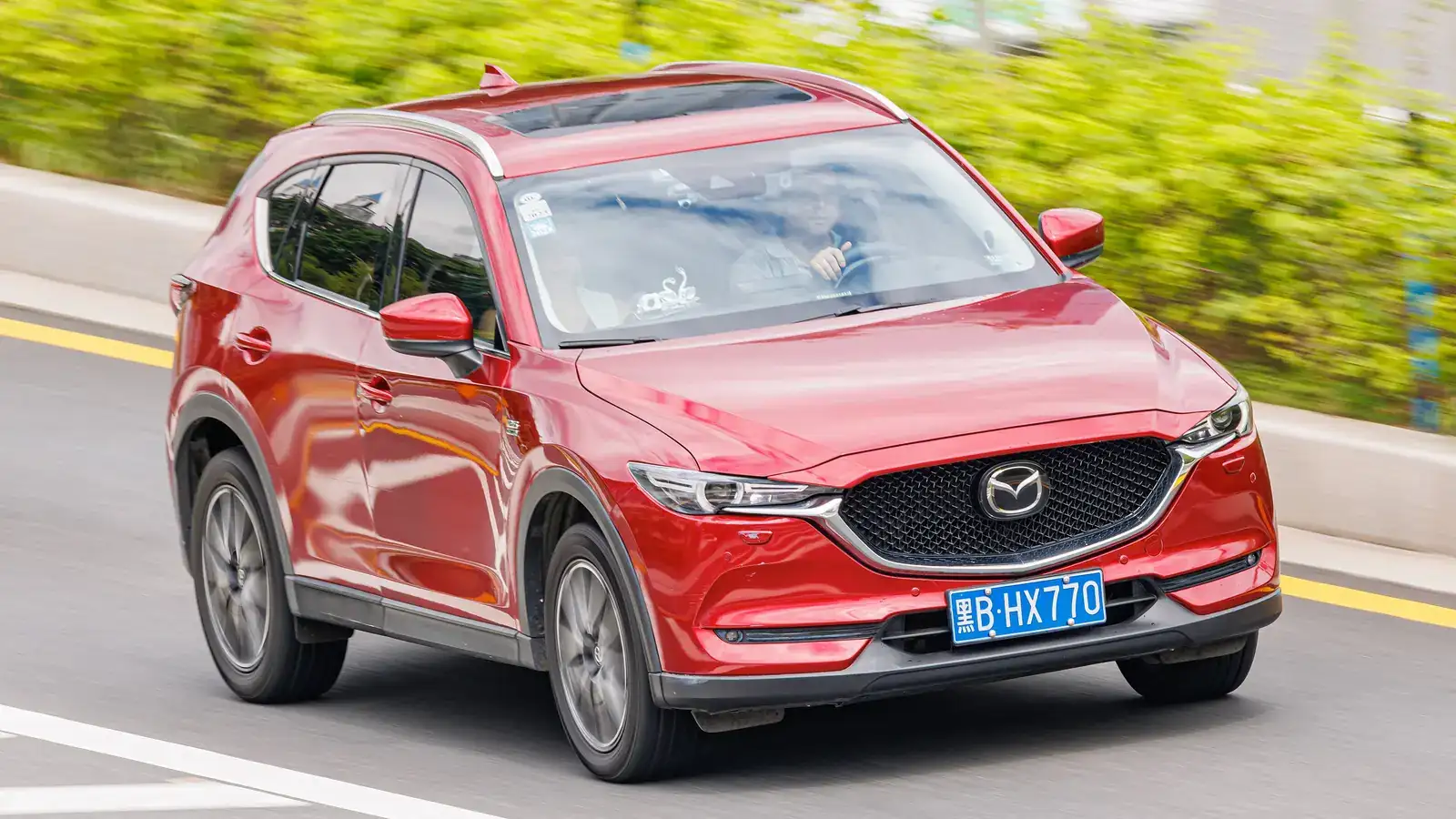
- Mitsubishi Outlander and Toyota RAV4. The volume family SUVs, with straightforward local histories.
If you want a new pickup, though, Thailand is the production source and will be cheaper — see that country.
Fleet-maintained vans
Unglamorous and consistently good value. The Toyota Hiace is the most durable light commercial in wide circulation, and New Zealand fleet examples come with enforced service schedules and documented histories. For a buyer who needs a working vehicle rather than a nice one, this is frequently the strongest case in the whole market.
When to buy from Japan instead
- When price is the priority. New Zealand prices are retail; Japanese auction prices are wholesale. The gap is real.
- When you need a specific grade, colour or trim. Japan’s weekly auction volume is vastly larger and will find it faster.
- When you want the newest possible car. New Zealand stock is by definition a few years behind what Japan is selling now.
- When freight favours Japan. For African and European destinations, Japanese sailings are more frequent and often cheaper.
We have our own team in both, and no reason to steer you. The New Zealand cost breakdown is here, and the Japanese one here.
Market availability and pricing change continuously, and destination age limits and emissions rules can exclude specific vehicles. Battery condition on used electric vehicles varies substantially between apparently similar cars. Confirm the position for your specific vehicle and destination before committing.