
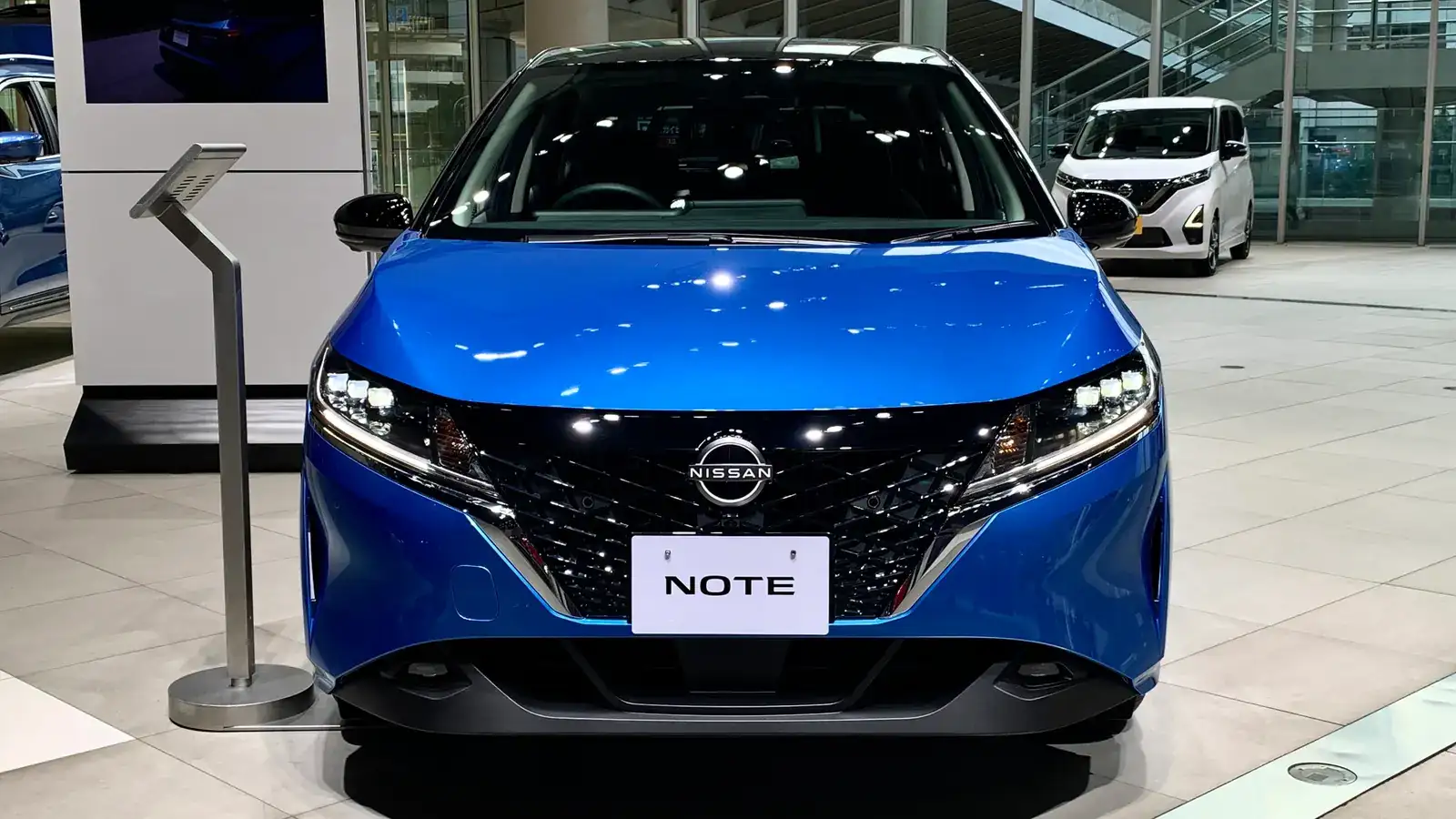
New Zealand prices are retail, not wholesale, and there is no honest way around that. The useful question is not whether you are paying more than you would at Japanese auction — you are — but whether what you get for the difference is worth it. Here is the whole bill, with that comparison built in.
The short version
- The premium over Japan buys entry certification, English records and a local history.
- Freight to Australia and the Pacific is cheap; to Africa and Europe it is not.
- The biosecurity clean is small at origin and expensive at destination.
- On an inexpensive car headed a long way, freight can exceed the purchase price.
How the total is built
- The vehicle, at retail rather than wholesale.
- Checks and inspection — compliance file review, registration history, physical inspection, battery test on electrified vehicles.
- Deregistration, export documentation and cleaning.
- Freight and insurance, with a very wide spread by destination.
- Destination duty, tax and registration.
Costs inside New Zealand
- Purchase price. Auction, dealer or fleet disposal.
- Compliance and registration record review. Reading the entry-certification file properly is the reason to buy here at all, so it happens before anything else.
- Physical inspection with underbody photographs — the coastal caveat means the climate argument is verified rather than assumed.
- Battery state-of-health test on every electric and plug-in vehicle. Non-negotiable.
- Deregistration and export documentation.
- Biosecurity steam clean and certificate before loading.
- Inland transport to Auckland, Tauranga or Lyttelton. Short — the country is not large by our network’s standards.
The retail premium, honestly
A New Zealand price includes what somebody already spent importing the car from Japan, complying it to New Zealand standards, registering it and marketing it, plus their margin. It is not a markup being applied to you — it is work that has already been done.
What that work actually bought you:
- A government entry inspection covering structure, frontal impact, emissions and odometer accuracy, which screened out the two failures that turn a used car into a bad decision.
- English-language documentation, removing a translation step from your clearance and registration.
- A local service history since compliance, readable without an interpreter.
When the premium is worth paying
Broadly: the further you are from being able to inspect the car yourself, and the more the purchase matters, the more the verification is worth. On a cheap runabout it rarely justifies itself. On a vehicle that has to work for five years, it frequently does. The full comparison is in New Zealand vs Japan.
Freight and insurance
The spread is wide enough that geography decides whether New Zealand makes sense at all:
- Australia and the Pacific: two to three weeks, frequent sailings, comparatively cheap. New Zealand is the natural source.
- South-East Asia: moderate and competitive.
- Eastern and southern Africa: five to eight weeks and more expensive than the equivalent Japanese route.
- Europe and the Americas: long and expensive. On an inexpensive car the freight can exceed the purchase price, which usually makes this the wrong source.
Duty and tax at your end
The usual structure: customs duty as a percentage of assessed value — normally including freight and insurance in the base — then consumption tax on value plus duty, then any registration or excise charge banded by emissions, capacity, drivetrain or age.
One New Zealand-specific point worth knowing: because much of the stock is ex-Japan and therefore a few years older than equivalent cars at Japanese auction, destination age limits bite harder here. A car that was complied in New Zealand five years ago may already be too old for markets with an eight-year rule. We check that before shortlisting.
A worked comparison with Japan
Same model, same specification, illustrative structure. Proportions, not a quote:
Ex-Japan hybrid bought in New Zealand, RoRo to a Pacific destination
Illustrative structure — proportions, not a quote
Compare with the Japanese structure, where the car is a smaller share and freight a larger one. For a Pacific destination the New Zealand freight advantage narrows the gap considerably; for an African one it does not.
Percentages above are illustrative of structure only and are not a quote. Duty, consumption tax and registration charges depend entirely on your destination and the specific vehicle, and rates change. Age limits in some markets exclude older ex-Japan stock. Confirm current rates and eligibility with your national customs authority before committing.