
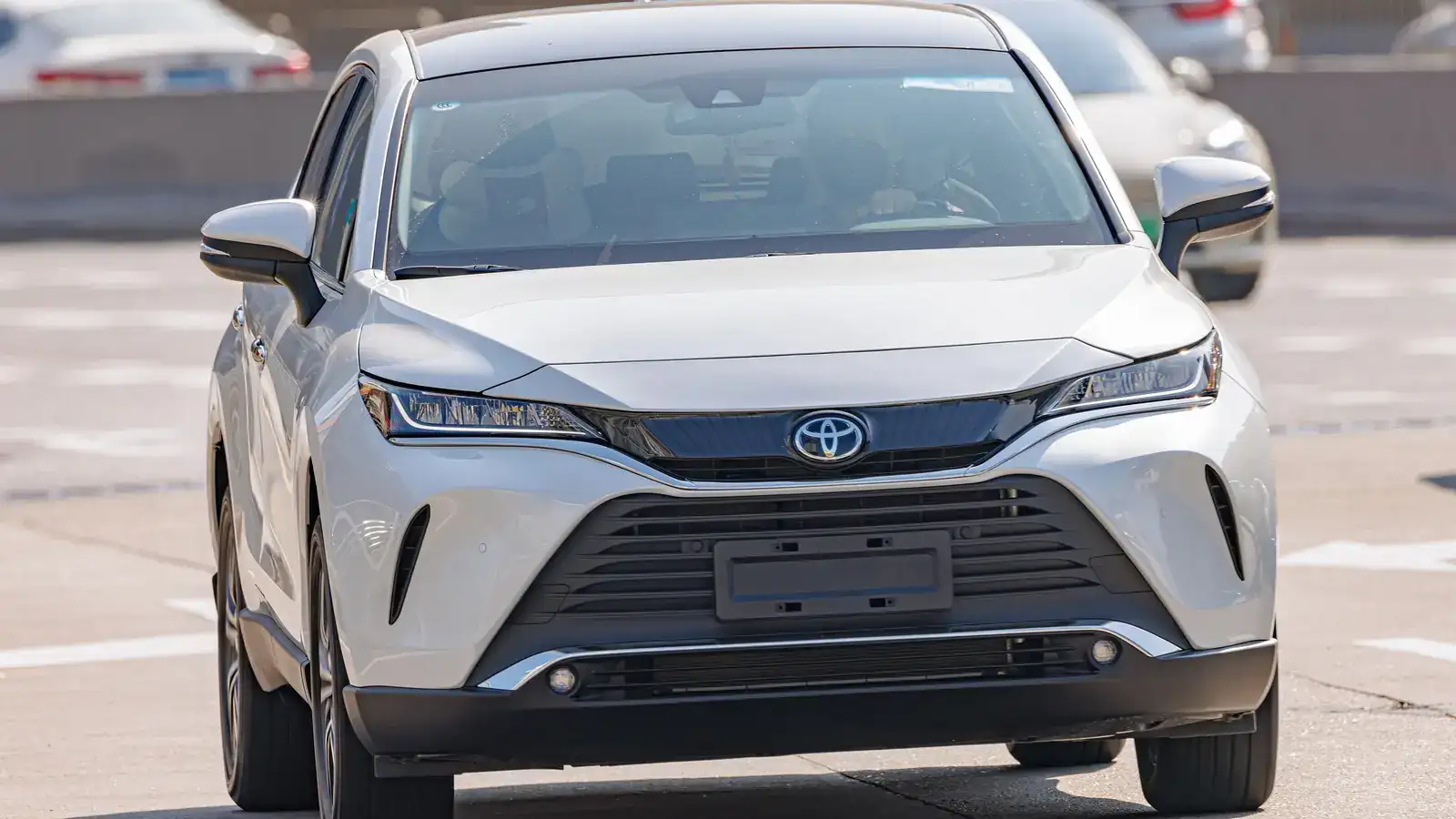
A dealer importing from Japan follows the same steps as a private buyer — customs, NOVA, approval, registration — but three of the rules land differently. The VAT treatment changes, the duty claim becomes a liability you carry on your own books, and every car you sell goes to a consumer with statutory rights. None of it is hard. All of it is better known before the first container than after.
The short version
- No margin scheme on cars you import yourself: charge VAT on the full price and reclaim the import VAT.
- Postponed VAT accounting keeps import VAT off the border — no approval needed, but your agent needs written instructions.
- A 0% duty claim is the importer’s: keep the statement on origin for three years.
- Over-10-year stock skips the IVA queue; younger stock waits for it.
- Retail buyers have a 30-day right to reject under the Consumer Rights Act 2015.
What changes when a UK dealer imports Japanese cars to sell?
Three things. HMRC does not allow the margin scheme on goods you import yourself, other than art, antiques and collectors’ items, so imported stock is sold with VAT on the full price and the import VAT is reclaimed. The importer is responsible for any 0% duty claim. And the sale is to a consumer, under the Consumer Rights Act 2015.
VAT: no margin scheme on cars you import yourself
HMRC’s guidance on margin schemes and imports is direct: you cannot use a margin scheme when you import goods other than works of art, collectors’ items or antiques into the UK. A used Japanese car you import is none of those, so:
- Import VAT — 20% of the customs value plus duty — is input tax, recoverable on your VAT return under the normal rules.
- Output VAT is charged on the full selling price, not on your margin.
- The exception is a car properly classified as a collectors’ item under tariff heading 9705 — at least 30 years old, original, of a model out of production — which can be sold under the margin scheme and imports at an effective 5% VAT.
Postponed VAT accounting
A UK VAT-registered business can declare and recover import VAT on the same return instead of paying it at the border. HMRC needs no application; the goods must be for your business, with your VAT number on the declaration. Since 9 June 2025, an agent importing on your behalf must have your written instruction before it can use postponed VAT accounting — keep a copy.
Duty: the 0% claim is yours to defend
Under the UK–Japan agreement the importer “shall be responsible for the correctness of the claim” for preference, must keep the statement on origin for at least three years, and may be asked for information after the car has been released. If the reply does not confirm origin within three months, preference can be denied and the 10% rate becomes due.
Price used stock at 10% unless the evidence is in hand
Japan Customs warns that a used car qualifies only if it was originating when built new, that the proof comes from the manufacturer, and that the manufacturer is not obliged to supply it. For a dealer, that is a duty exposure that can surface years after the car is sold. The detail is in import duty on Japanese cars.
NOVA, EORI and the paperwork in volume
| What | Rule for a business | Source |
|---|---|---|
| NOVA | Use the NOVA online service within 14 days of each car's arrival; a spreadsheet route exists for many vehicles | GOV.UK, Telling HMRC |
| EORI | A GB EORI number is needed to import goods that are not for personal use | GOV.UK, Get an EORI number |
| Import declaration | Made by a customs agent for a shipped car | GOV.UK |
| Registration | V55/5 per car, originals, £55 fee and the first vehicle tax | GOV.UK |
Checked 7 October 2026.
Stock age is a cash-flow decision
The 10-year line changes how fast a car reaches the forecourt. Cars over 10 years old need no vehicle approval, so they go from NOVA to MOT to the DVLA. Younger cars need an IVA: DVSA aims to answer an application within 10 working days and to offer a test within 20, and for a nearly new car the application cannot be made until six months after its first Japanese registration. Every week a car waits is a week of capital tied up. The age lines are set out in full in which years of Japanese car to import.
Road-legal preparation, per car
- Rear fog lamp — required at the MOT on any car first used from 1 April 1980.
- Speedometer — mph for an IVA; an mph-capable display is the safe position on older stock too.
- MOT — evidence needed to register a car over three years old.
- ULEZ evidence — for a car you will sell into London, check whether a manufacturer letter or certificate of conformity exists in case TfL’s checker cannot place it.
Selling: what consumer law asks of a dealer
The Consumer Rights Act 2015 applies to every car you sell to a consumer: it must be of satisfactory quality and as described, and the buyer’s short-term right to reject runs to the end of 30 days. “As described” is where imports need care — state the import status, the mileage and its evidence, and the work done to make the car UK-legal. Japan’s inspection records hold the odometer reading at each shaken, which is the evidence behind the mileage on the screen; see Japanese import condition.
Trade plates let a licensed motor trader use a vehicle for the purposes on the licence without registering and taxing it, provided it is roadworthy, insured and has an MOT or is exempt. Whether those purposes cover moving an unregistered import is set by the licence’s guidance notes — check them before relying on it.
If you are building stock from Japan, you can import Japanese cars for your dealership with a landed figure per unit to a UK port before you commit.
VAT, customs and registration rules on this page were checked on 7 October 2026 against HMRC and GOV.UK guidance (margin schemes and imports, postponed VAT accounting, NOVA, EORI, trade licence plates), the UK–Japan Comprehensive Economic Partnership Agreement and the Consumer Rights Act 2015. This is general information, not tax advice; your accountant and HMRC are the people to confirm your own position.