
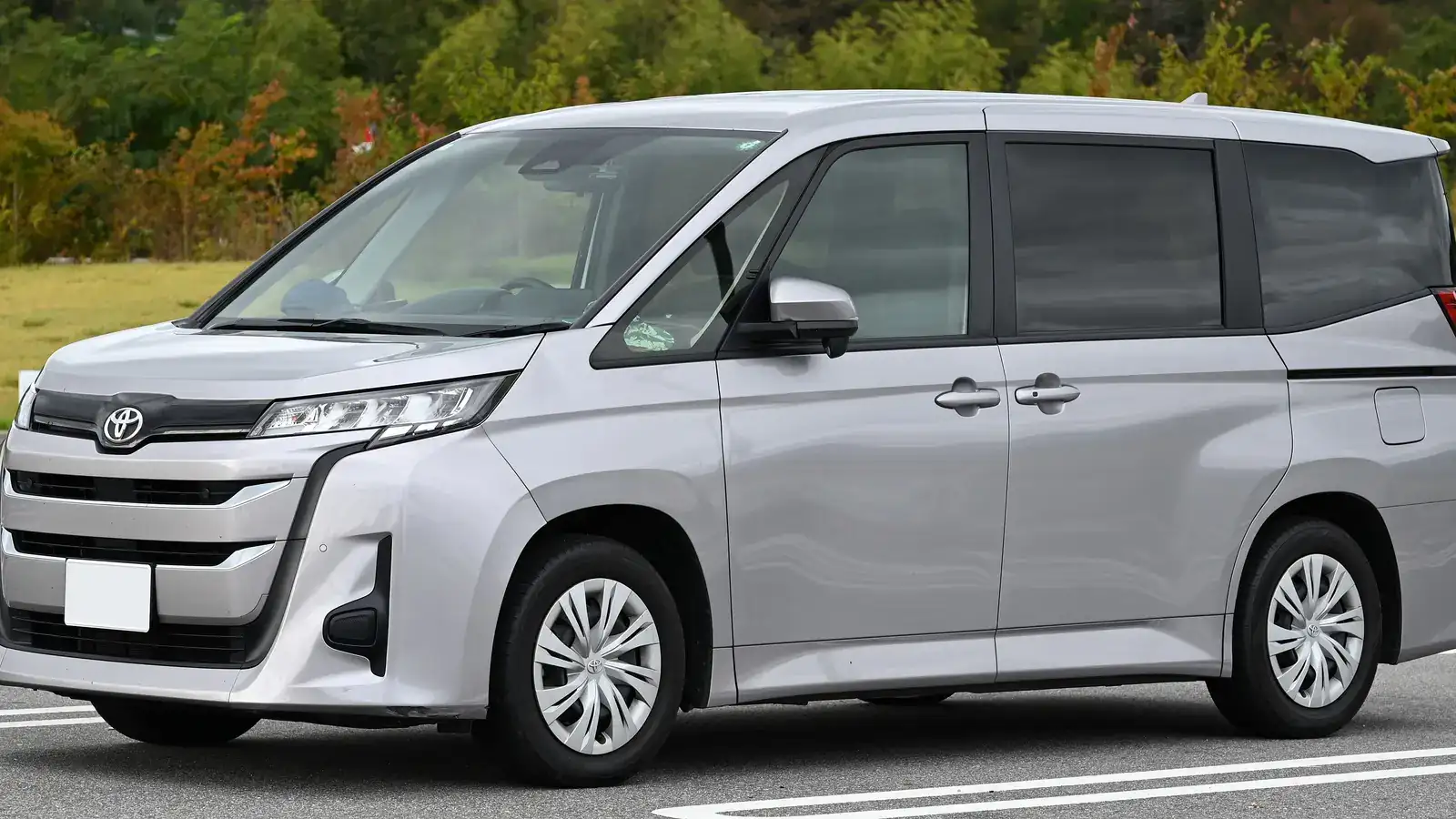
A Japanese import is paid in two halves to two very different payees. One is a seller or exporter on the other side of the world, paid by international transfer before you have seen the car in person. The other is HMRC, paid at the UK border in your own name. The first half is where the risk sits, and it is also where most of the protections British buyers rely on stop working.
The short version
- Two payees: the seller or exporter for the car and its shipping; HMRC for the duty and VAT.
- The UK’s scam reimbursement rules cover Faster Payments and CHAPS between UK accounts — not a transfer abroad.
- Section 75 card cover applies only to an item priced over £100 and up to £30,000.
- Duty and VAT are worked out at HMRC’s monthly rate, not your bank’s.
- See the inspection before the balance moves — and confirm bank details by phone, never from an email alone.
How do you pay for a car from Japan?
The car, freight and marine insurance are paid to the seller or exporter, normally by international bank transfer in the currency the contract states. The import duty and VAT are paid to HMRC at the UK border, normally through the customs agent making the declaration, in the importer’s name. UK fees — the IVA, the MOT and the DVLA — come after.
Two halves, two very different payees
| Paid to | For | When | In whose name |
|---|---|---|---|
| The seller or exporter | The car, any auction fees, transport in Japan, freight and marine insurance | Before the car sails | Yours, as buyer |
| HMRC | Customs duty and import VAT | At the UK border, before release | Yours, as importer |
| Your customs agent | Making the declaration; NOVA if they file it | On arrival | Yours |
| DVSA, MOT station, DVLA | IVA (£199), MOT (up to £54.85), registration (£55) and vehicle tax | After arrival | Yours, as keeper |
UK charges: GOV.UK, checked 7 October 2026. GOV.UK notes the agent may charge extra to make the NOVA notification.
The split is not a formality. Duty and VAT are owed by the importer — on a personal import, that is you — and the DVLA will not register the car until they are paid.
The order money moves in
- A deposit, often. Many exporters ask for one before bidding or reserving a car. Get in writing what happens to it if the car does not go through.
- The balance, once the car is secured — ideally after you have seen its inspection and photographs.
- Freight and insurance, often inside one price to the UK port.
- Duty and VAT at the border, arranged by your customs agent.
- UK fees — the IVA application is paid online by card when you apply; then the MOT, and the £55 registration fee with the first vehicle tax.
The yen, and which exchange rate applies
If the car is priced in yen, its cost in sterling is not fixed until the money is converted — so the gap between the quote and the payment is a currency risk you carry. Duty and VAT are separate again: HMRC converts the customs value at its own monthly rate, taken at midday the day before publication and used for the whole of the following month.
| Month | HMRC rate, yen per £1 |
|---|---|
| August 2026 | 217.9907 |
| September 2026 | 215.6954 |
| October 2026 | 208.5932 |
Source: HMRC monthly exchange rates via the UK Integrated Online Tariff, checked 7 October 2026.
Fewer yen to the pound means a yen price costs more in sterling: from September to October 2026 the rate moved about 3.3% that way. We report the rate; we do not forecast it. How the customs rate differs from the one on your banking app is explained in our piece on customs exchange rates.
What protects a payment that leaves the UK
Less than most buyers assume. The two protections British car buyers know best both have edges that a Japanese import can fall outside.
| Protection | What it covers | Where it stops |
|---|---|---|
| APP scam reimbursement | Since 7 October 2024, most victims of authorised push payment scams, up to £85,000 a claim | Payments via Faster Payments or CHAPS from one UK account to another — a transfer abroad is outside it |
| Section 75, Consumer Credit Act 1974 | The card issuer is jointly liable for a supplier's misrepresentation or breach of contract | Only where the item's cash price is over £100 and not more than £30,000, and you pay the supplier |
Sources: Payment Systems Regulator, APP scams and PS24/7 (2 October 2024); Consumer Credit Act 1974, s.75 (legislation.gov.uk). Checked 7 October 2026.
Why the deposit on a £35,000 car is not covered
Section 75 looks at the cash price of the item, not the amount you put on the card. Paying a £2,000 deposit by credit card on a car priced at £35,000 does not bring the car inside the £30,000 limit. Parkers’ advice to pay by credit card where you can is sound — for cars the section actually reaches.
The checks before money moves
- The account name matches the company you contracted with. A different name is a reason to stop.
- Bank details are confirmed by phone, on a number you found yourself — never from an email alone, and never when an email says the details have changed.
- The quote is itemised: what you pay the seller to the UK port, and what you will pay HMRC and the DVLA on arrival.
- You have seen the car — the inspection report, the photographs and the auction sheet where there is one — before the balance is paid.
- The duty assumption is written down: 10%, or 0% on a stated origin claim. See import duty on Japanese cars.
If you would rather your money moved only after the car is proven, you can import a Japanese car for yourself with funds released once it has been inspected and cleared for shipment.
Payment protections on this page were checked on 7 October 2026 against the Payment Systems Regulator’s APP scams pages and policy statement PS24/7, and section 75 of the Consumer Credit Act 1974 on legislation.gov.uk; UK charges against GOV.UK; exchange rates against HMRC’s published monthly rates. This is general information, not financial or legal advice. If you think you have been scammed, contact your bank immediately.