
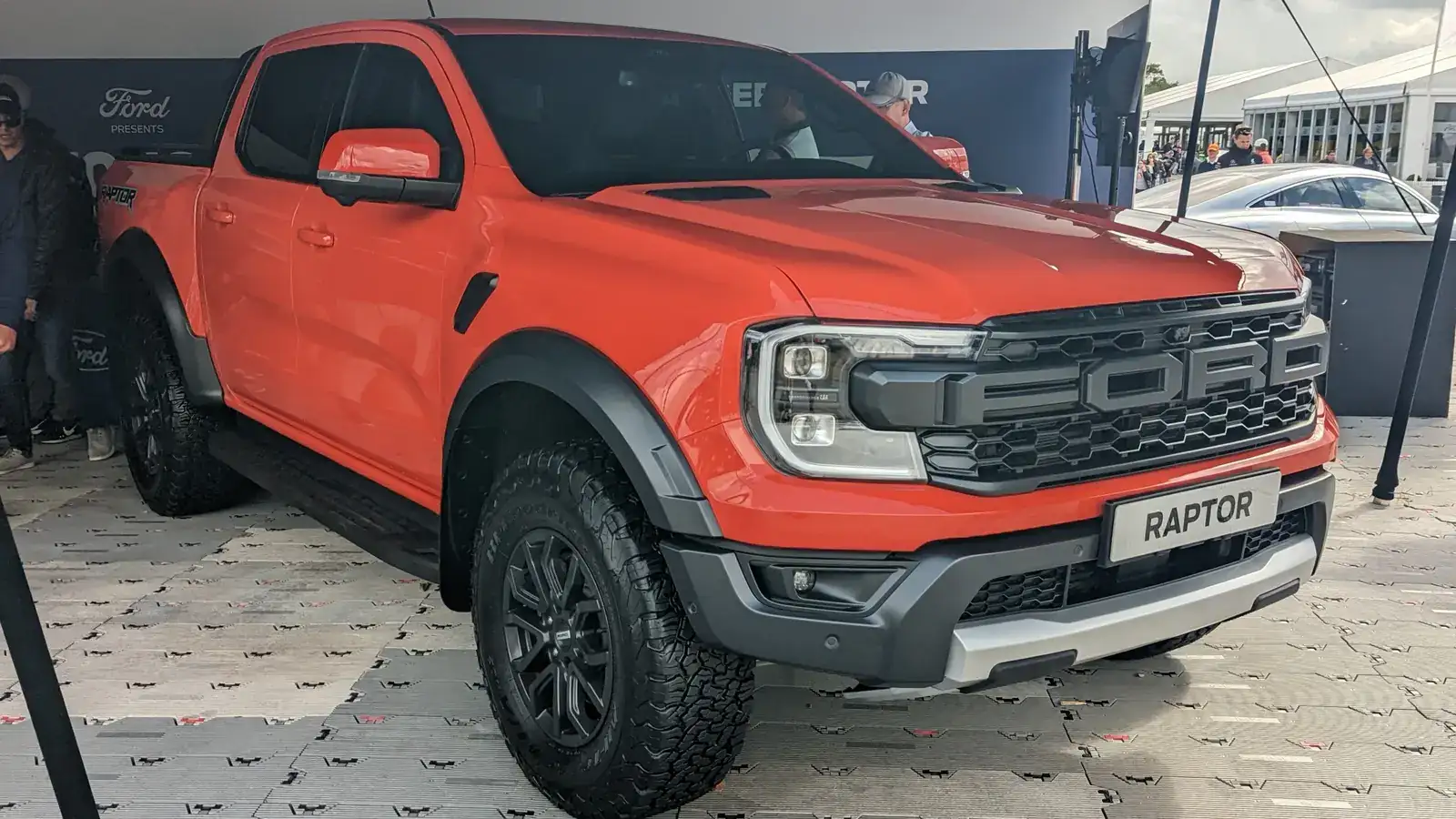
A well-set-up Australian tourer is one of the best buys in international vehicle sourcing. A hard-worked one is a liability with a bull bar on it. They photograph identically. Here is how to tell them apart from ten thousand miles away — and what to establish about your own country before you buy either.
The short version
- Fitted equipment usually costs more than it adds to the price — that is the opportunity.
- Ex-mining stock is often the best-maintained in the market. Counter-intuitive and true.
- Judge wear from underbody, bushes and seals, not from paintwork.
- Check registration acceptance for modifications before purchase, not after arrival.
Two very different used utes
Australian 4x4s divide into two populations that look alike in photographs. The first is the weekend tourer: bought new, equipped generously, driven on long sealed-road trips with occasional dirt, serviced on schedule and washed. The second is the working vehicle: high hours, low speeds, corrugations, dust, and a maintenance record that depends entirely on who was responsible for it.
Both can be good buys. They should not be priced the same, and the difference is rarely visible in the advert.
Reading the fitted equipment
The equipment list is the first thing to read, and it tells you two things: what you are getting, and what the vehicle was used for.
| Equipment | What it adds | What it implies |
|---|---|---|
| Bull bar / winch | Substantial value; expensive to fit later | Remote-area use. Check for impact damage behind it. |
| Snorkel | Modest value | Dust or water crossings. Check the intake and filter housing. |
| Long-range tank | High value, awkward to retrofit | Genuine long-distance touring. |
| Dual battery / solar | Good value | Camping rather than work. Usually a favourable sign. |
| Suspension upgrade | High value if quality components | Load carrying or towing. Check the age of the components. |
| Tray body / drawers | High value | Work vehicle. Check chassis and mounting points. |
Equipment fitted from new by a first owner is generally a better sign than equipment added late by a seller preparing a vehicle for sale.
Judging outback wear
Paintwork tells you almost nothing about an Australian 4x4. Corrugated dirt roads do their damage underneath, and a vehicle can present beautifully while its suspension mounts and drivetrain seals tell a different story. What we photograph and why:
- Chassis rails and crossmembers. Cracking or repair around suspension and body mounts is the classic corrugation signature.
- Suspension bushes and mounts. Perished bushes are cheap to replace and a reliable indicator of how hard the vehicle worked.
- Differential and transfer-case seals. Weeping seals mean heat and load. Not fatal; informative.
- Air intake, filter housing and cabin filters. Dust ingress is the single most damaging thing about outback use, and the evidence lives here.
- Underbody corrosion. Should be minimal on an inland vehicle. If it is not, the “dry state” claim was wrong.
- Service record against the odometer. Low mileage with high hours is normal on a work vehicle and means more wear than the number suggests.
Ex-mining and ex-fleet stock
This surprises people, so it is worth stating clearly: ex-mining vehicles are frequently among the best buys in the Australian market.
Mine-site vehicles run to enforced maintenance schedules with documented servicing, because a breakdown on site is a safety and production issue rather than an inconvenience. They are retired on a fixed timetable rather than when something fails. And they are sold in batches, which softens the price.
The trade-offs, stated honestly
High engine hours at low road speed, so the odometer understates the wear. Heavy dust exposure. Frequently cosmetic damage and site-required equipment fitted and removed. All of it shows up on inspection and all of it should be in the price — which, on a well-documented ex-fleet vehicle, it usually is.
Will your country register it?
This is the question to settle before purchase, because the answer varies enormously and there is no fixing it afterwards. Some destinations accept aftermarket bull bars, lift kits, long-range tanks and roof racks without comment. Others require engineering approval, or require the equipment removed before registration, or refuse specific items outright.
Items that most commonly cause a problem:
- Suspension lifts beyond a specified height.
- Bull bars, particularly where pedestrian-impact rules apply.
- Auxiliary lighting and light bars.
- Tyre and wheel sizes outside the original specification.
- Long-range tanks where fuel-system approval is required.
We check your destination’s position on the specific vehicle before buying it. Where something will not be accepted, the choice is a different vehicle or removal before shipment — both far cheaper than discovering it at a registration office.
The inspection checklist
What we run on every Australian 4x4, in order:
- PPSR check — finance, write-off and stolen markers
- State registration and service history
- Underbody, chassis rail and crossmember photographs
- Suspension bush, mount and shock condition
- Differential, transfer case and gearbox seal condition
- Air intake and filter inspection for dust ingress
- Fitted equipment inventory, condition and mounting integrity
- Destination registration check on every modification
- Biosecurity clean and certificate before loading
The wider process is in how to import a car from Australia, and the model-level guidance in the best cars to import from Australia.
Registration acceptance for aftermarket modifications varies significantly by destination and changes. Nothing here confirms that a particular modified vehicle can be registered in a particular country — that requires a destination-specific check, which we carry out before purchase.